Amazon announced it now has sufficient satellites in low-Earth orbit to begin offering its Starlink internet competitor. With the latest launch, Amazon Leo has deployed 396 satellites, a number the company says is "enough to support continuous service across initial latitudes," according to Chris Weber, vice president heading up business and product for Amazon Leo.
Commercial Launch Target
This milestone puts Amazon on track to meet its "mid-2026" target for commercial availability. However, early adopters should temper expectations. When SpaceX launched its "Better than nothing beta" in 2020, it had nearly 900 satellites in orbit. Initially, service was limited to a narrow band of users in the upper United States and Canada. Customers reported frequent service interruptions and high sensitivity to obstructions, with speeds ranging from 50Mbps to 150Mbps and latency between 20ms and 40ms.
Comparison with Starlink
By 2022, Starlink's service and coverage had dramatically improved. Today, SpaceX operates over 10,000 Starlink satellites, providing robust internet connectivity on land, sea, and air in more than 160 countries. Performance varies by dish type, service tier, time of day, and user location, but median download speeds now reach 200Mbps, with uploads between 10Mbps and 40Mbps and latency around 25ms.

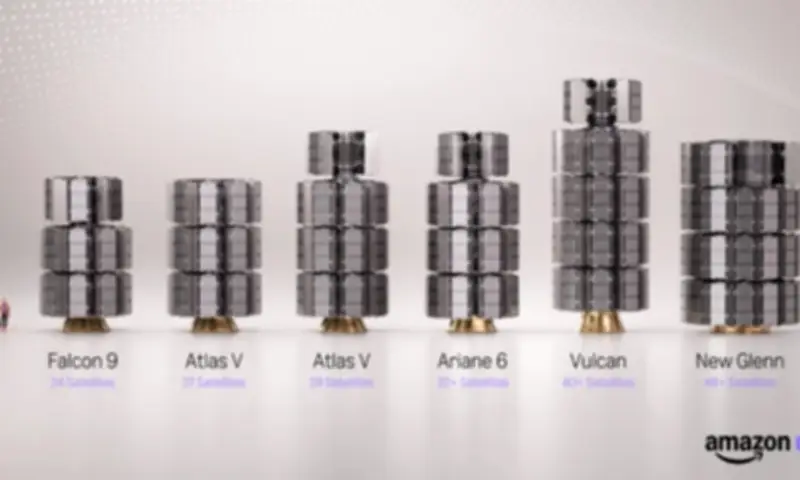
Amazon Leo's early users can expect similar initial limitations, with future satellite launches gradually improving performance, capacity, and global coverage. The company plans to deploy a total of 3,232 Leo satellites, but it remains well behind schedule. Delays have been partly attributed to challenges faced by Jeff Bezos' Blue Origin in getting its reusable New Glenn launch vehicle into regular operation.
Future Outlook
It will likely take years before Amazon can match Starlink's performance numbers. As Amazon continues launching satellites, the service will expand coverage and improve reliability, but for now, the constellation is just beginning its journey to compete in the satellite internet market.