In a significant move towards digital modernization, the National Database and Registration Authority (NADRA) has officially rolled out a new facial recognition system. This initiative is designed to simplify and expedite the biometric verification process for millions of Pakistani citizens.
A New Era for Digital Identity Verification
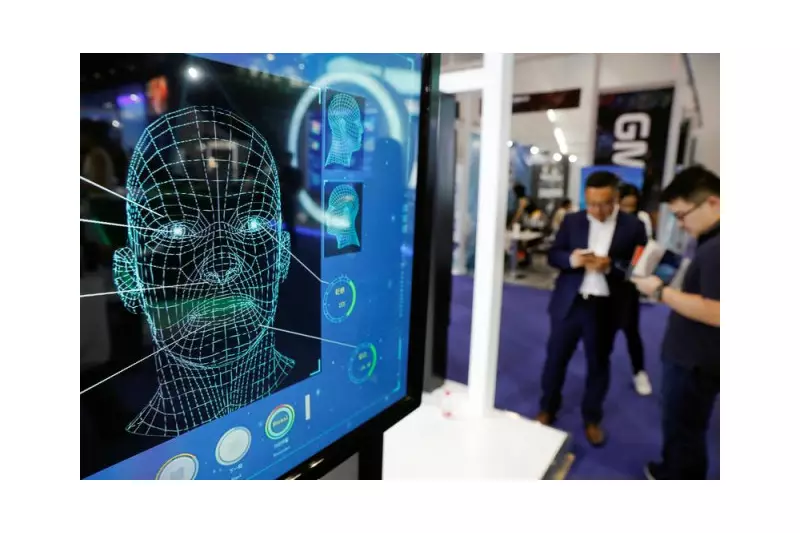
The newly launched system represents a major technological upgrade for NADRA. It allows for contactless and efficient identity verification by matching a live facial image against the photograph stored in the citizen's NADRA record. This method is intended to complement and, in many scenarios, streamline the existing fingerprint-based biometric checks.
The primary goal is to enhance user convenience, especially in situations where fingerprint scanning might encounter issues or to provide an alternative verification channel. The authority emphasizes that this system will be integrated into various citizen-facing services, potentially including SIM card re-verification, banking transactions, and access to government portals.

How the Facial Recognition System Works
The operational mechanism is straightforward for the end-user. During a verification process, an individual will be prompted to look into a camera. The system will then capture a live image and instantly compare it with the high-quality photograph already on file with NADRA from the Computerized National Identity Card (CNIC) or other official documents.
The core technology relies on advanced algorithms to analyze facial features, ensuring a high degree of accuracy and security. This move is part of a broader push under the Digital Pakistan vision to incorporate cutting-edge technology into public service delivery, making it more accessible and less cumbersome for the common citizen.
Implications for Security and Convenience
The introduction of facial recognition is expected to have a dual impact: strengthening security protocols while improving customer experience. From a security standpoint, it adds another robust layer to the identity verification process, making fraudulent activities and identity theft more difficult.
For the public, the benefits are centered on convenience. The process is quick, hygienic (being contactless), and can reduce waiting times at service counters. It is particularly seen as a boon for elderly citizens or individuals whose fingerprints may have worn out over time, offering them a reliable alternative for proving their identity.
NADRA has assured that the system has been deployed with stringent data protection measures in place to safeguard citizens' biometric information. The authority continues to be the central custodian of Pakistan's national identity database, and this new feature is an extension of its service portfolio.
This launch marks a pivotal step in Pakistan's journey towards a more integrated and tech-savvy governance model, where citizen services are becoming increasingly seamless and secure through digital innovation.