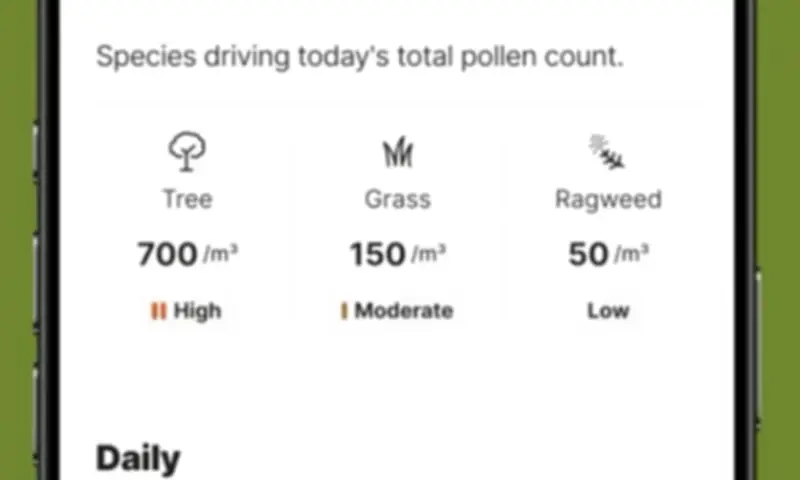
The Weather Company has introduced an enhanced allergy experience within its The Weather Channel app, aimed at helping allergy sufferers better understand when their symptoms might worsen and what triggers them. While the app already provides static pollen counts, the expanded Health and Wellness section now considers additional factors such as changing weather conditions that can exacerbate symptoms even when pollen counts remain stable.
New Features in the Free Version
The free version of The Weather Channel app now includes weather aggravator insights, which analyze how conditions like high winds or humidity can amplify the effects of airborne allergens. A daily forecast of expected peak pollen levels helps users know when allergens are at their highest. Hyperlocal pollen forecasts based on ZIP codes reveal expected levels in specific neighborhoods, accompanied by easy-to-understand graphics indicating whether allergy risks are higher, lower, or unchanged compared to the previous day.
Extended Forecasts and Historical Data
Pollen tracking has been integrated into the app's five-day weather forecasts, allowing users to better plan their week. Additionally, users can compare recent allergy forecasts with a decade of historical pollen count data for their area.

Premium Subscription Enhancements
Subscribers paying $4.99 per month or $29.99 per year gain access to more detailed allergen information. Instead of generic tree pollen warnings, the app will identify specific species like cedar or oak later this summer, helping users pinpoint the exact plants causing their symptoms. Other premium features include hourly pollen radar layers, hourly pollen forecasts for the next 24 hours, and a symptom tracker to correlate personal feelings with outdoor conditions.