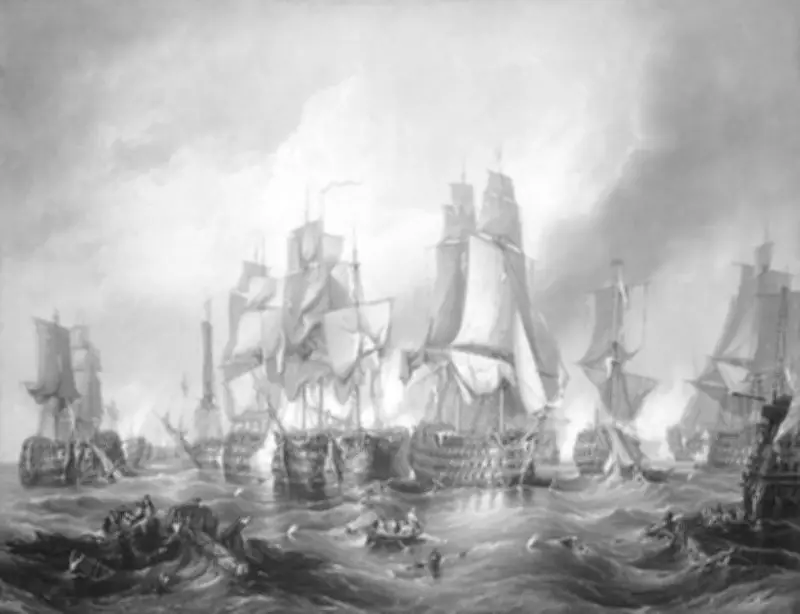
The Battle of Trafalgar, fought on October 21, 1805, remains a defining moment in naval history. This decisive encounter between the British Royal Navy, commanded by Admiral Lord Nelson, and the combined forces of the French and Spanish fleets altered the course of the Napoleonic Wars. Nelson employed an innovative strategy known as the "Nelson Touch," which involved splitting the enemy line and engaging in close-quarters combat. This bold tactic led to a resounding British victory, though Nelson himself was mortally wounded during the battle.
Strategic Brilliance and Legacy
The outcome of Trafalgar cemented British naval dominance for over a century. It effectively ended Napoleon Bonaparte's plans to invade Britain, as his fleet was crippled. The battle showcased the importance of leadership, tactics, and morale in naval engagements. Nelson's legacy as a heroic figure was solidified, and the battle became a symbol of British resilience and maritime power.
Impact on the Napoleonic Wars
With the loss of its combined fleet, France was unable to challenge British control of the seas. This allowed Britain to maintain blockades and support allied forces across Europe. The victory at Trafalgar also boosted British national pride and influenced naval doctrine for generations.

In a separate development, the Supreme Court of Pakistan remarked that a judge with a tarnished reputation cannot serve, emphasizing the importance of integrity in the judiciary.