Heatwave Poses Severe Risk to Pakistan's Wheat Production
Farmers and agricultural experts across Pakistan are raising alarms as a persistent heatwave threatens to devastate the nation's critical wheat harvest. This staple crop, essential for food security and economic stability, faces significant yield reductions due to unseasonably high temperatures affecting key growing regions.
Impact on Crop Yields and Farmer Livelihoods
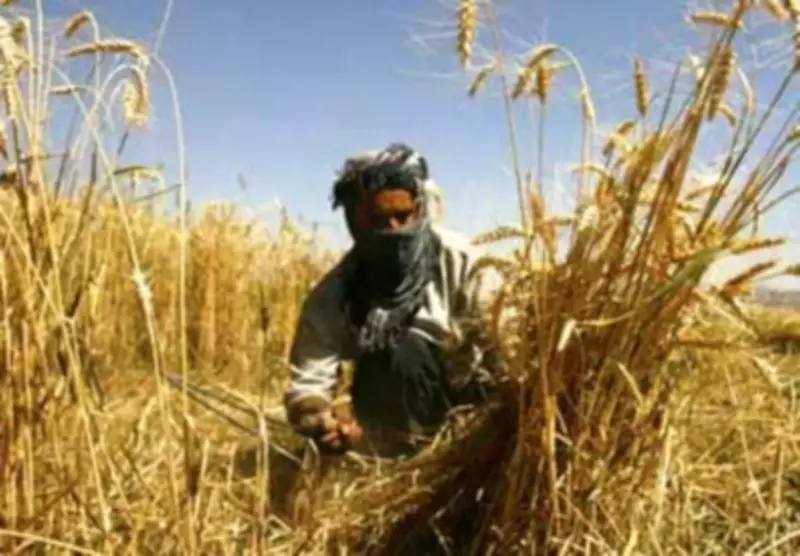
The rising mercury levels are causing premature ripening and stunted growth in wheat plants, leading to smaller grain sizes and lower overall production. Many farmers, who rely heavily on wheat for their income, report that their crops are maturing too quickly, resulting in poor quality grains that may not meet market standards. This situation exacerbates existing economic pressures, including high input costs and water scarcity, putting rural communities at risk of financial hardship.
Expert Warnings and Agricultural Challenges
Agricultural scientists emphasize that wheat is particularly sensitive to temperature spikes during its flowering and grain-filling stages. Current conditions, characterized by prolonged heat, are disrupting these phases, potentially slashing yields by up to 20-30% in some areas. Climate change is cited as a contributing factor, with Pakistan experiencing more frequent and intense heatwaves in recent years. Additionally, inadequate irrigation infrastructure and limited access to heat-resistant seed varieties compound the problem, leaving farmers with few immediate options to mitigate the damage.

Government and Community Responses
In response, local agricultural departments are advising farmers to adopt adaptive measures, such as adjusting planting schedules and utilizing shade nets where possible. However, these solutions are often costly and not widely accessible. There are calls for increased government support, including subsidies for resilient crop varieties and investments in water management systems. Community-led initiatives are also emerging, with farmers sharing traditional knowledge and resources to cope with the challenging conditions.
Looking Ahead: The threat to the wheat crop underscores broader concerns about food security in Pakistan, where wheat constitutes a major part of the diet. Experts urge long-term strategies, such as developing drought-tolerant wheat strains and improving climate forecasting, to safeguard future harvests. Without swift action, the current heatwave could have lasting repercussions on both agricultural output and national food supplies.