Pakistan's ambitious irrigation reform plan has come under heavy criticism from farmers, agricultural experts, and opposition parties, who claim the initiative was drafted without sufficient consultation and overlooks critical water management challenges.
Background of the Reform Plan
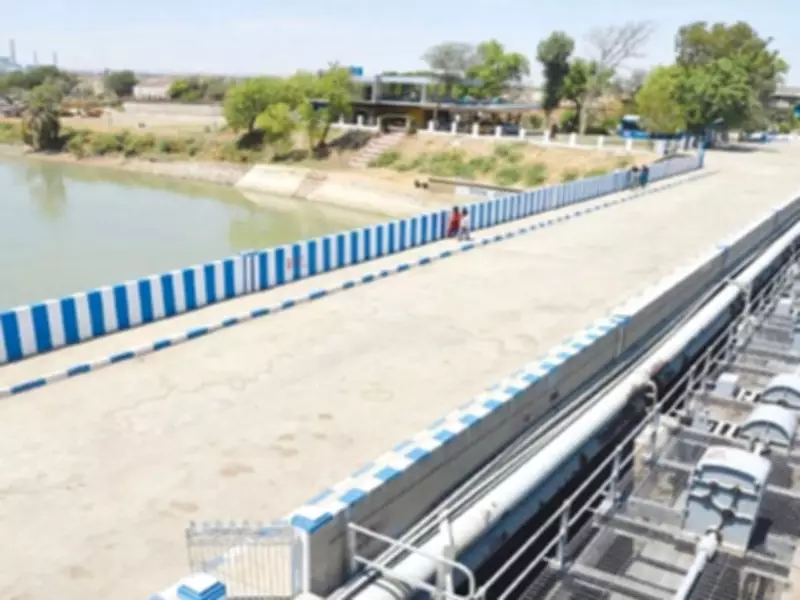
The government unveiled the irrigation reform plan earlier this year, aiming to modernize the country's aging canal system, improve water distribution, and increase agricultural productivity. The plan includes measures such as lining canals, introducing high-efficiency irrigation systems, and reforming water pricing mechanisms. However, stakeholders argue that the plan is top-down and fails to incorporate ground realities.
Criticism from Farmers
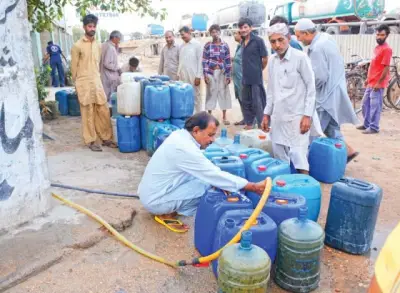
Farmers across Punjab and Sindh have voiced strong opposition, stating that the reform plan does not address their immediate concerns, such as water theft, unequal distribution, and the lack of maintenance of existing infrastructure. Small-scale farmers fear that water pricing reforms could make irrigation unaffordable, threatening their livelihoods. Protests have been reported in several districts, with farmer unions demanding a revision of the plan.

Expert Opinions
Water management experts have also raised red flags. Dr. Ahmad Khan, a water resource specialist, noted that the plan lacks a comprehensive strategy for groundwater management, which is crucial given that over 70% of irrigation in Pakistan relies on groundwater. He emphasized that without addressing over-extraction and quality degradation, the reform plan will have limited impact. Other experts pointed out that the plan does not adequately incorporate climate change projections, which are expected to exacerbate water scarcity.
Political Response
Opposition parties have criticized the government for rushing the reform without parliamentary debate. In a joint statement, leaders from the Pakistan Muslim League-Nawaz and Pakistan Peoples Party called for a thorough review and urged the government to involve all stakeholders. The government, however, defends the plan, stating that it is based on international best practices and that pilot projects have shown positive results. A spokesperson from the Ministry of Water Resources argued that the plan is essential to prevent a looming water crisis and to secure food security for the nation.
Way Forward
The controversy highlights the deep-rooted challenges in Pakistan's water governance. While the need for reform is widely acknowledged, the current plan's top-down approach has created distrust. Experts suggest that the government should pause implementation, conduct extensive consultations with farmers and local communities, and revise the plan to incorporate their feedback. A more inclusive approach could ensure that the reforms are both effective and equitable.