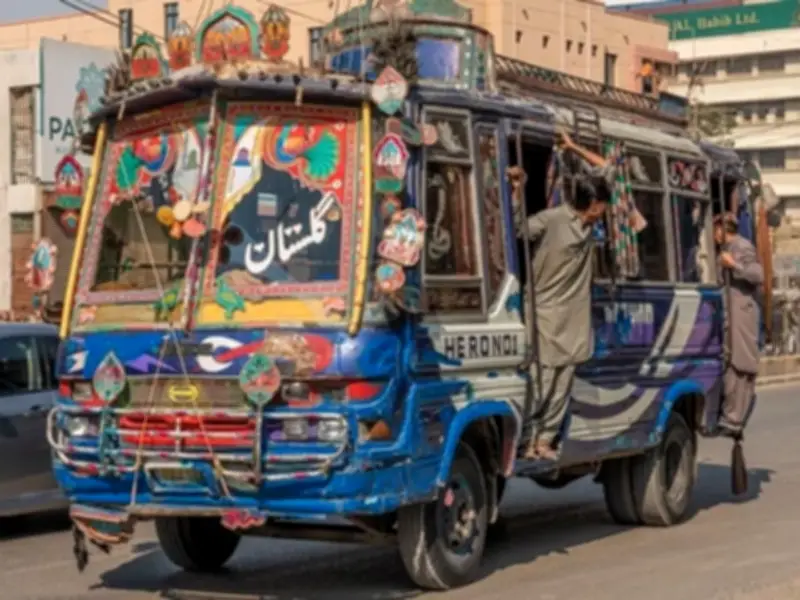
The four-day transport strike that paralyzed Karachi's public transport system concluded on Sunday after successful negotiations between the Karachi Transport Ittehad and the city administration. Public transport vehicles, including buses, minibuses, and coaches, are expected to resume normal operations from Monday.
Strike Impact and Commuter Hardships
The strike, which began on Thursday, caused significant disruption across the city, particularly affecting low- and middle-income commuters who rely on public transport for travel to workplaces, educational institutions, and markets. Office workers scrambled for costly alternatives, students struggled to reach universities, and bus stops overflowed with stranded commuters.
Negotiations and Demands
A delegation of the transport alliance, led by President Haji Tawab Khan and Secretary-General Muhammad Ilyas, met the Karachi commissioner to discuss a range of issues, including vehicle insurance requirements, biometric regulations, and what transporters described as excessive fines and enforcement measures. According to transport leaders, several demands were addressed during the meeting, while issues requiring policy decisions from the provincial government were deferred for further discussion.

Formal End of Strike
Following the negotiations, member organizations of the Karachi Transport Ittehad held a consultative session at the alliance's office on Akbar Road, where they unanimously decided to end the strike. Speaking to the media afterwards, Haji Tawab Khan formally announced the withdrawal of the protest and thanked both public transport and goods transport operators for supporting the movement. He said some longstanding concerns had been resolved immediately, while authorities had sought additional time to address matters falling within the jurisdiction of the Sindh government.
Apology to Commuters
Tawab Khan also apologized to commuters affected by the strike, acknowledging the hardships faced by thousands of citizens who rely on buses, minibuses, and coaches for their daily travel. "We regret the inconvenience caused to the public, but the heavy penalties and other operational challenges left us with no option but to protest," he said.
Officials Present and Future Outlook
The meeting was attended by the secretary of transport, secretary of the Regional Transport Authority (RTA), the DIG Traffic, the director of excise, and the deputy commissioner of Keamari, among other officials. With the standoff now resolved, transport operators and city officials expressed hope that continued dialogue would help prevent future disruptions and ensure smoother operations for Karachi's already strained public transport system.