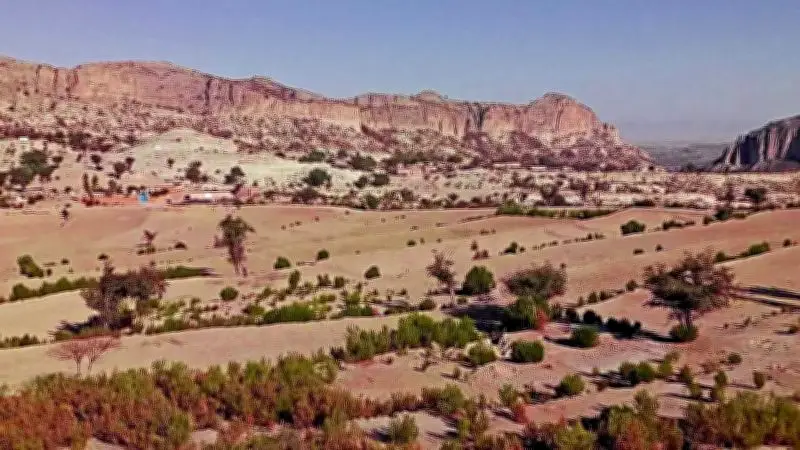
The rugged terrain of Karak district in southern Khyber Pakhtunkhwa is often described in official government reports as a land of great promise. To federal and provincial policymakers, Karak is an incredible goldmine. It holds vast reservoirs of crude oil, natural gas, high-purity rock salt, gypsum, and uranium. On paper, a region with this much natural wealth should be prosperous, with modern infrastructure and a high quality of life. Yet, for the local people living directly above these treasures, the reality is a daily struggle. The very resources that fuel Pakistan's industries have brought serious problems to Karak's public health, environment, and daily survival.
The Resource Curse in Practice
In economic and strategic studies, this problem is famously known as the 'resource curse.' It describes a painful paradox where areas rich in natural resources often suffer from worse development and greater neglect than places without them. In Karak, this curse is not just a theory found in textbooks; it is a lived experience. The local community is forced to deal with the toxic side effects of heavy mining and drilling, while the actual wealth generated from their land is piped away to other parts of the country.
Oil and Gas: Extraction Without Benefit
The district's oil and gas sector highlights this unfair gap perfectly. Major companies extract over nine million barrels of crude oil every year from fields like Nashpa and Makori Deep, alongside massive amounts of natural gas. Under Article 158 of the Constitution of Pakistan, the local area where gas is found is supposed to have the first right to use it. However, this law is largely ignored in practice. While Karak gas travels through massive pipelines to warm distant cities and power industrial hubs, many local villages do not even have a basic gas connection. This extreme fuel shortage has forced desperate residents to fill large plastic bags directly from leaking pipelines to use for cooking at home. These highly dangerous, makeshift gas bags act as living bombs in local kitchens. To make matters worse, the heavy trucks used by oil companies have completely crushed the district's road networks, turning daily travel into a slow and bumpy nightmare for regular citizens.

Uranium Contamination: A Hidden Health Crisis
While exclusion from the gas grid causes immense political anger, it is the invisible presence of uranium that poses the most terrifying threat to life in Karak. The arid ground of the Takht-e-Nasrati area holds rich deposits of this radioactive heavy metal. Due to unregulated mining and the natural breaking of underground rocks, uranium has heavily leached into the shallow water tables. This is the exact same groundwater that local families pump to the surface to drink every single day.
A recent public health study conducted under the Pakistan National Adaptation Plan exposed a massive ecological emergency in the district. Researchers found that the average uranium concentration in Karak drinking water sits at an alarming 47.3 micrograms per litre. The World Health Organization sets the strict safety limit at just 30 micrograms per litre. This means over 68 per cent of the tested local water sources are actively unsafe for human consumption.
The human cost of this contamination is heartbreakingly visible. Local villages are experiencing an unprecedented spike in chronic kidney failure, liver damage, and bone diseases. Because local public hospitals lack proper machinery and doctors, low-income families are being financially ruined by medical bills just trying to keep their loved ones alive.
Salt and Gypsum Mining: Environmental Degradation
Adding to this burden is the massive extraction of Karak evaporite minerals, specifically rock salt and gypsum. Rock salt mining in areas like Bahadur Khel has expanded rapidly, with production climbing well over 207,000 tonnes per year. While this mining creates a small number of jobs, the deep digging has disturbed natural water tables and caused hyper-salinisation. Shallow wells have turned brackish, meaning the water is now too salty to drink or use for farming, which is destroying local agriculture.

Meanwhile, open-cast gypsum mining releases thick clouds of fine white dust into the air. Because the provincial environmental protection laws are not being strictly enforced, this dust blankets nearby communities, causing widespread lung infections, chronic allergies, and respiratory diseases among young children and elderly residents.
A Failure of State Justice
Ultimately, Karak presents a classic example of how extracting resources without caring for human security leads to a total failure of development. The district's economic assets have directly created its worst daily crises. If policymakers continue to treat Karak simply as an open-air quarry to be stripped for national benefit while leaving its people to drink poisoned water and transport gas in plastic bags, it will no longer just be an environmental issue. It will become an unforgivable failure of state justice.
To heal these deep wounds, the state must urgently enforce constitutional gas rights, set up uranium-specific filtration plants, and legally force mining corporations to invest their profits directly back into Karak's healthcare and environment.