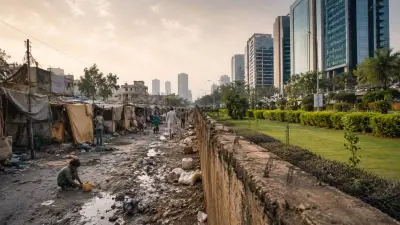
Snakebite cases remain common in the rural areas of Sindh, particularly in districts such as Tharparkar, Jamshoro, Hyderabad, Sanghar, Badin, Dadu, and other regions characterised by agricultural land, desert environments, and riverine areas. Due to limited access to modern hospitals and antivenom facilities, many people continue to rely on traditional remedies and medicinal plants for treatment. Local healers, elders, and individuals with ethnobotanical knowledge have preserved these practices from one generation to the next.
According to a recent survey conducted by us, more than 80 medicinal plant species are used across different regions of Sindh to treat snakebites. These include neem (Azadirachta indica), ashwagandha (Withania somnifera), rauvolfia (Rauvolfia serpentina), isarmul (Aristolochia indica), giloy (Tinospora cordifolia), pomegranate, aloe vera (Aloe vera), harmal (Peganum harmala), garlic, onion, ak (Calotropis procera), bhangro, phota, henna, and many other medicinal herbs.
Local communities utilise roots, leaves, bark, seeds, flowers, and whole plants in various forms. Some people apply leaf extracts directly to wounds, while others dry the roots to prepare powders. In many areas, decoctions and herbal pastes are also commonly used to reduce pain, swelling, and the toxic effects of snake venom.

Experts believe that these plants contain important bioactive compounds, such as alkaloids, flavonoids, tannins, and phenolic compounds, which may help reduce the harmful effects of venom. Some plants reduce inflammation, others help control bleeding, while some strengthen the body during recovery.
Our survey also revealed that many people in rural areas use medicinal plants as first aid immediately after a snakebite. Several patients consult local healers before reaching hospitals. Poverty, long distances, and limited healthcare facilities also force people to rely on traditional medicine.
The study further showed that traditional knowledge is primarily preserved among people over the age of 50, while younger generations are gradually losing interest due to modernisation and changing lifestyles. If this valuable indigenous knowledge is not properly documented, it may disappear in the future.
Researchers emphasised that further scientific research, laboratory testing, and clinical evaluation are needed to confirm the safety and effectiveness of these medicinal plants. If traditional knowledge is combined with modern science, safer and more effective methods for snakebite treatment can be developed.
Sindh possesses a rich natural treasure of medicinal plants. Their conservation, cultivation, and scientific study will not only benefit the healthcare sector but also help preserve culture, biodiversity, and the environment. Therefore, proper identification, conservation, and sustainable utilisation of medicinal plants are essential.
Future scientific research should focus on isolating active compounds, standardising dosages, identifying possible side effects, and evaluating the pharmacological properties of these plants. Modern laboratory research, clinical trials, and pharmacological studies can strengthen the medical significance of these herbal remedies. Integrating traditional knowledge with modern healthcare systems can improve snakebite management, particularly in remote and underdeveloped rural areas.
In addition, governments, universities, and research institutions should collaborate with local healers and rural communities to properly document this valuable knowledge. Due to overharvesting and environmental changes, many important medicinal plants are at risk of extinction. Therefore, cultivation, conservation, and public awareness programmes are urgently needed.
Educational institutions and social organisations should also raise awareness among young people about the importance of herbal medicine so that this knowledge can be preserved for future generations.

In conclusion, medicinal plants are a valuable natural resource with significant potential for developing supportive therapies against snakebites. The traditional knowledge found in the rural areas of Sindh not only fulfils the primary healthcare needs of local communities but may also contribute to future drug discovery. The preservation, scientific validation, and proper utilisation of this indigenous knowledge will not only improve healthcare systems but also support biodiversity conservation, environmental protection, and cultural heritage preservation.
This research was conducted under the supervision of Dr Samina Kabir (Associate Professor, Department of Botany and Medicinal Plant Specialist). SHAHNILA LAGHARI, Shahdadpur.