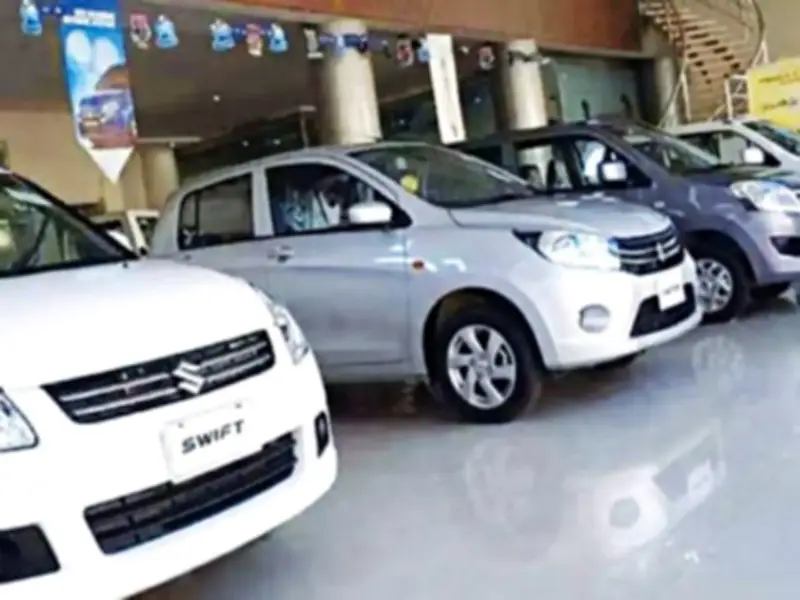
The federal government is holding consultations with the International Monetary Fund (IMF) over a proposal to reduce the sales tax on locally assembled vehicles with engine capacities of up to 800cc from 18 per cent to 12.5 per cent under the forthcoming auto policy, sources said. According to the sources, the IMF had initially opposed the proposed tax reduction, but discussions with the lender are continuing as the government finalises the new automotive policy.
Prime Minister's Directive for Investment-Friendly Policy
Prime Minister Shehbaz Sharif has directed the relevant authorities to make the policy more investment-friendly to attract fresh investment and create employment opportunities in Pakistan's automobile sector. The proposed policy also seeks to improve the competitiveness of the domestic auto industry by aligning locally manufactured vehicles with internationally recognised safety standards.
Ongoing Consultations and Expected Timeline
Officials said consultations with the IMF on the proposed tax incentives would continue before the policy is finalised. The new auto policy is expected to be unveiled in August. According to the sources, the policy will include incentives for electric vehicles (EVs), hybrid vehicles and plug-in hybrid electric vehicles (PHEVs). It also proposes the introduction of a carbon tax on the engines of locally manufactured petrol and hybrid vehicles.

Safety Standards Compliance
In line with United Nations regulations, the policy aims to ensure compliance with 62 internationally recognised vehicle safety standards for both imported and locally manufactured vehicles. The draft policy is also being reviewed in consultation with the Federal Board of Revenue (FBR), the ministries of science and technology, commerce, and law. Following inter-ministerial consultations, it will be presented to the Cabinet's Economic Coordination Committee (ECC) for consideration before approval, the sources added.
Recent Tax Changes on Hybrid Vehicles
Meanwhile, hybrid vehicles assembled in Pakistan have become more expensive following the government's decision to increase the sales tax on them from 8.5 per cent to 18 per cent with effect from July 1, the start of the new fiscal year. The revised rate applies to both hybrid and plug-in hybrid vehicles, while the sales tax on imported and locally assembled plug-in hybrid vehicles has also been raised from 1 per cent to 18 per cent. The tax changes were introduced through the Finance Act 2026, which also marked the expiry of Pakistan's five-year automotive policy. The revised sales tax rates will remain in force until the new auto policy is formally announced.