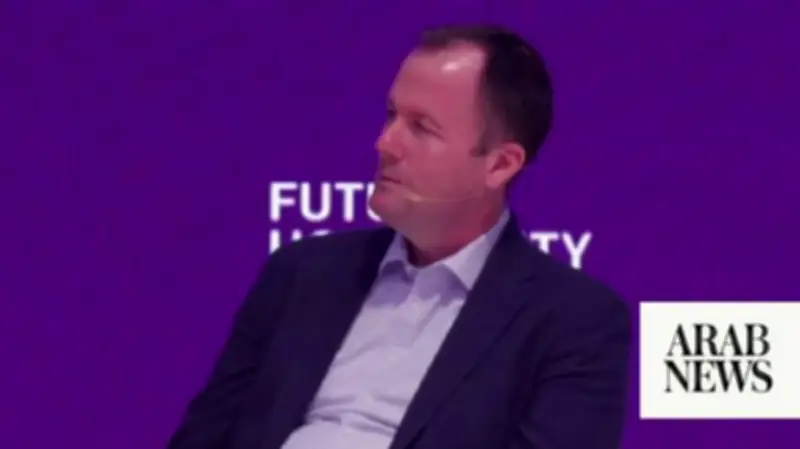
Further visa liberalization, including expanding e-visa access and reducing costs, could help Saudi Arabia attract more visitors and build a self-sustaining tourism sector, according to an economist. Speaking during a panel at the Future Hospitality Summit in Riyadh, Scott Livermore, chief economist for the Middle East at Oxford Economics, said easier travel access would help sustain growth in one of the sectors central to Saudi Arabia's diversification plans.
Visa Reforms and Tourism Ecosystem
The comments come as Saudi Arabia advances Vision 2030 reforms aimed at diversifying the economy away from oil, expanding private-sector participation, and developing new growth industries, including tourism, entertainment, logistics, and technology. “That will continue to push the visitor numbers and create that self-sustaining ecosystem for the tourism sector, and you can pick similar examples across the different sectors of the economy,” Livermore said.
Livermore said Saudi Arabia has moved beyond the initial phase of its economic reforms and is now focused on developing self-sustaining, productivity-driven sectors capable of growing without significant government support. “The government's been doing a good set of reforms, and we're seeing those bear fruits,” he said, adding that the Kingdom has made great strides forward.

Challenges in Creating Self-Sustaining Ecosystems
Livermore further noted that the second stage, which he sees as “harder to achieve,” involves creating self-sustaining ecosystems where private enterprise and productivity can thrive, allowing sectors to remain viable as public money is gradually pulled back in a post-hydrocarbon era. The economist said policy in Saudi Arabia is shifting toward competitiveness and productivity as the next phase of reform. “Focusing on those competitiveness areas and encouraging productivity is, I think, where policy will evolve,” he said.
Investor Confidence and Government Agility
Hossam Al-Basrawi, CEO of Al Rajhi Capital, said Saudi Arabia's policy track record has strengthened investor confidence, citing the government's ability to adjust priorities and respond quickly. “I think the government throughout the years has really demonstrated its agility to kind of change priorities and give the necessary support in a swift manner,” Al-Basrawi said. He added that it is not only about plans on paper, but that the actions taken over the past few years have provided investors with greater confidence to enter the market.
Religious Tourism Demand
The CEO also noted that demand for religious tourism would continue to grow, as Makkah and Madinah are unique destinations found only in Saudi Arabia. This segment, along with broader leisure and business travel, is expected to benefit from ongoing visa liberalization efforts.