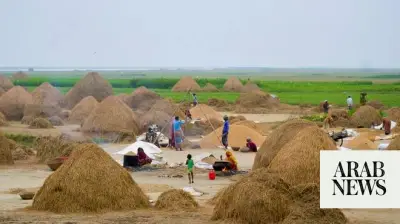
The Sindh cabinet, chaired by Chief Minister Syed Murad Ali Shah, has approved the landmark Sindh Farmers Agricultural Collectives Act, 2026, and ordered stringent action against wheat hoarding while initiating reforms to digitize the Food Department. The decisions were taken during a cabinet meeting in Karachi, where members also reviewed the draft National Wheat Policy 2026-2030 and approved measures spanning agriculture, inclusive education, prison security, revenue reforms, infrastructure development, Rescue 1122 welfare, fisheries monitoring, and extension of Pakistan Rangers' deployment in the province.
Key Provisions of the Farmers Act
The Sindh Farmers Agricultural Collectives Act, 2026, aims to empower small farmers, livestock owners, and fishermen by enabling them to collectively use land, resources, and agricultural machinery. The law also facilitates access to financial resources and modern technology, and connects producers with more profitable markets. Notably, the proposed legislation includes representation for women and transgender persons, transparent profit-sharing mechanisms, and opportunities to participate in carbon credit and environmental service markets.
Anti-Hoarding Crackdown Ordered
The cabinet approved strict action against wheat hoarding after concerns over rising flour prices. The Food Department briefed the meeting that large wheat stocks are held by flour mills, traders, and private hoarders, contributing to speculation and price increases. The chief minister directed law enforcement agencies to identify and penalize hoarders to stabilize the market.

Digitization of Food Department
As part of reforms, the cabinet considered establishing an Integrated Wheat Management System to digitize wheat procurement, storage, transportation, and distribution. The chief minister instructed the Food Department to accelerate the process and improve transparency. According to an official statement, the system will help track wheat stocks in real time and prevent hoarding.
Other Cabinet Decisions
The cabinet also approved measures for inclusive education, prison security upgrades, revenue reforms, infrastructure projects, and welfare initiatives for Rescue 1122. Fisheries monitoring was enhanced, and the deployment of Pakistan Rangers in Sindh was extended to maintain law and order. The draft National Wheat Policy 2026-2030 was reviewed and will be forwarded for further consultation.