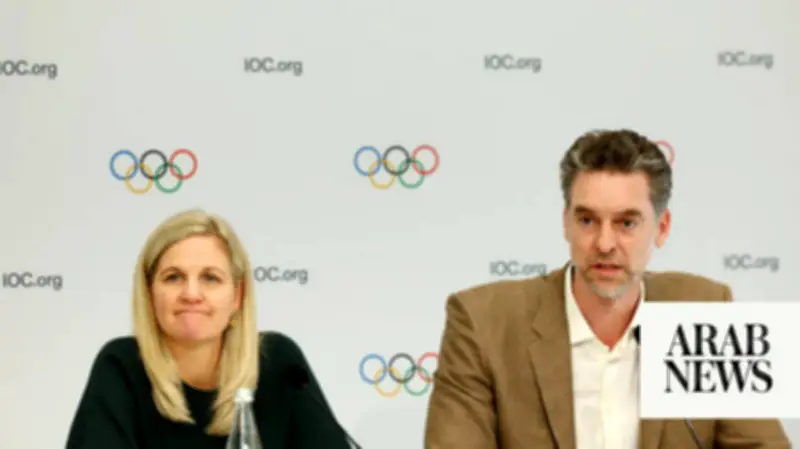
The International Olympic Committee has pledged more than $100 million to provide direct cash grants of $10,000 to athletes who compete in the Olympic Games, a move that stops short of official prize money but marks a significant shift in athlete support. The announcement was made Wednesday by IOC member and former NBA star Pau Gasol during an IOC meeting in Lausanne, Switzerland, setting a new strategy under IOC President Kirsty Coventry.
New Fund Details and Eligibility
The fund will first be open to nearly 2,900 athletes who competed at the 2026 Milan Cortina Winter Games. Additionally, around 11,000 athletes expected at the 2028 Los Angeles Summer Games can apply for grants totaling about $110 million after those Olympics, provided they meet eligibility criteria such as not testing positive for doping. Gasol emphasized that the grants are “not prize money” but a form of direct support.
IOC Strategy Under Kirsty Coventry
The cash promise was the signature issue of the IOC meeting, which focused on future strategy exactly one year after Coventry formally took office as the youngest president and most recent former athlete in the IOC’s modern history. Coventry, a five-time Olympian and two-time swimming gold medalist for Zimbabwe, has long held the belief that the IOC should not use its Olympic revenues to pay prize money to an elite tier of medalists.

“This is a win for all of us,” said Gasol, who represents athletes on the 15-member IOC executive board. He added that the IOC had heard a consistent message during its strategy review: “Athletes want more direct support throughout their Olympic journey and beyond.”
Comparison with Prize Money Models
The IOC’s commitment comes after growing calls for prize money at the Olympics were strongly resisted in recent years. World Athletics leader Sebastian Coe, who oversaw rewarding track and field champions at the 2024 Paris Olympics with $50,000, praised the announcement. “This is a historic moment for the movement and I’m absolutely delighted to be in the room when this has been announced,” Coe told fellow IOC members, praising Coventry’s policy. For the Los Angeles Games, World Athletics is adding to its prize fund to pay silver and bronze medalists as well.
Existing Olympic Solidarity Program
The IOC already funds a program called “Olympic Solidarity” that directs grants worth thousands of dollars to athletes from less-wealthy countries preparing to qualify for and compete at a Summer or Winter Games. The Solidarity budget, which also funds team costs, coaches, and officials, is worth $650 million for the four-year Olympic cycle that includes Milan Cortina and Los Angeles.
How the Grant System Will Work
Gasol, a three-time Olympic medalist for Spain, explained that athletes will apply for the grants through an IOC online platform designed to support them during and after their careers. Approved money will be sent to national Olympic committees (NOCs), which oversee teams and competitors. Those NOCs will have to demonstrate that the money transfers were made directly to athletes, Gasol suggested. Several dozen Olympic athletes—in men’s basketball and soccer, for example—are already wealthy from their careers, and it remains unclear if they would be advised to waive their eligibility for grants or pool money toward development projects in their sports.