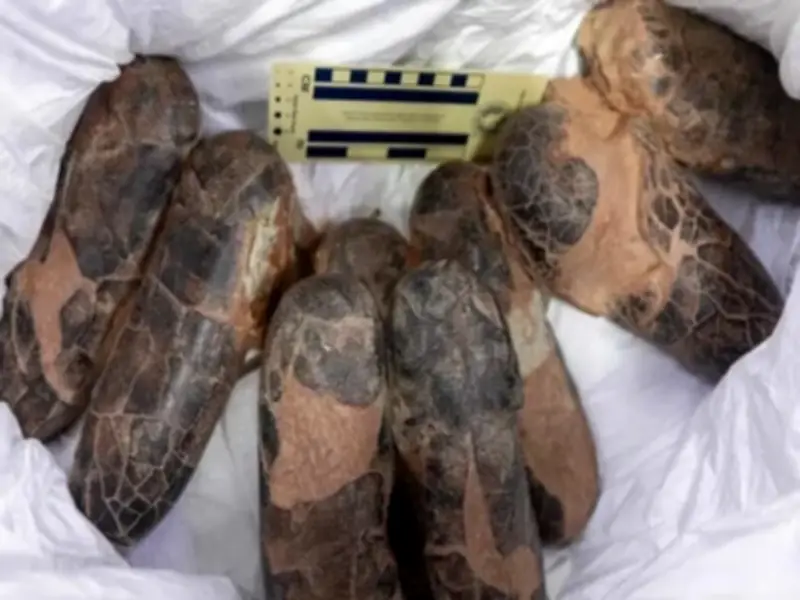
ULAANBAATAR: Mongolia has successfully recovered a rare dinosaur skeleton and a collection of fossils that were illegally exported two decades ago, authorities announced, marking the culmination of years of efforts to reclaim these palaeontological treasures.
Recovery of Fossils
The recovered collection includes a Tarbosaurus bataar skeleton, estimated to be more than 50% intact, along with 28 groups of fossilised dinosaur remains originally discovered in Mongolia's Gobi Desert, according to police statements. The bones were illegally taken from Mongolia in 2006 with the intention of making a profit, said D Munkhkhuyag, head of the police public relations department.
Role of French Customs
French customs agencies confiscated the fossils between 2013 and 2015. Under international conventions aimed at combating the illicit trafficking of cultural heritage, the fossils began their return to Mongolia a year later. Following a lengthy repatriation process, the fossils arrived in the capital Ulaanbaatar on Thursday.

They will be housed in Mongolia's new National Museum of Natural History, where they will be studied and eventually put on public display. "The dinosaur fossil is priceless and a unique piece of heritage," said Manchuk Nuramkhan, the museum's director, during a news conference. "We are delighted that children and young people will have the opportunity to see Mongolia's dinosaur heritage firsthand and learn from it."
Significance of Tarbosaurus bataar
Tarbosaurus bataar, a close relative of Tyrannosaurus rex, lived approximately 70 million years ago. Evidence of its existence is almost exclusively found in Mongolia's Gobi Desert. Manchuk noted that the return of the fossils represents an important victory for efforts to recover cultural and scientific heritage taken from Mongolia and highlights growing international cooperation against the illegal trade in antiquities and fossils.
Mongolia has intensified its efforts in recent years to recover dinosaur fossils smuggled abroad, as demand from private collectors and auction houses has fueled an international black market in rare palaeontological specimens.