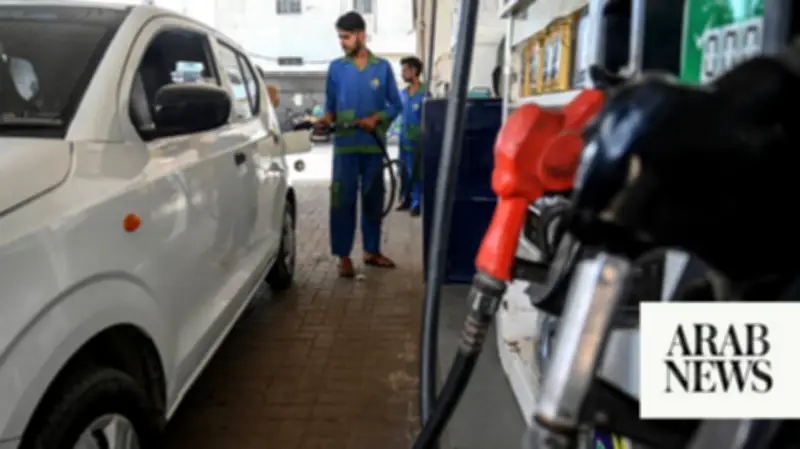
Business Group Calls for Substantial Fuel Price Reduction
A leading Pakistani business group, the Pakistan Business Forum (PBF), on Wednesday urged the government to cut petrol and diesel prices by at least Rs30 per liter in its weekly fuel price review scheduled for Friday. The forum argued that a sustained decline in global crude oil prices has created sufficient room to pass on meaningful relief to consumers and businesses across the country.
Global Crude Decline and Domestic Pricing Mechanism
The PBF highlighted that benchmark US West Texas Intermediate crude was trading at around $69 per barrel, Brent crude at approximately $72 per barrel, and UAE Murban crude had also eased in line with global market trends. The forum emphasized that the government should review the Petroleum Development Levy (PDL) and allow lower international oil prices to be reflected in domestic fuel rates instead of offsetting the decline through higher taxation.
Pakistan traditionally revises petroleum prices every two weeks in line with global oil prices and exchange rate movements, but shifted to weekly reviews during the US-Iran conflict due to heightened geopolitical tensions that increased volatility in international energy markets.

Statement by PBF President
“The government should ensure that the full benefit of declining international crude oil prices reaches the people,” said PBF President Khawaja Mehboob ur Rehman in a statement. “Artificially keeping petroleum prices high through additional levies will only prolong inflation, increase the cost of doing business and delay economic recovery.”
The forum also noted that Saudi Aramco had reduced the official selling price of its flagship Arab Light crude for August deliveries to Asia by $11 per barrel, describing it as the largest monthly cut in more than two decades.
Impact on Economy and Trade Deficit
The PBF said maintaining elevated petroleum prices is increasing transport and logistics costs, raising production expenses for manufacturers and exporters, and weakening Pakistan’s competitiveness in international markets. Its chief organizer, Ahmad Jawad, pointed out that Pakistan’s trade deficit widened to $39.46 billion in fiscal year 2025-26, up 22 percent from the previous year, while exports fell 6 percent to $30.13 billion and imports rose 8.1 percent to $69.59 billion.
“At a time when exporters are struggling to compete in international markets, maintaining high petroleum prices through increased levies only adds to production and logistics costs, making Pakistani products less competitive,” Jawad added.
Appeal to Prime Minister and Finance Minister
The forum urged Prime Minister Shehbaz Sharif and Finance Minister Muhammad Aurangzeb to “announce a minimum reduction of Rs30 per liter in petroleum prices on Friday” to ensure the benefits of lower global oil prices are passed on to industries, exporters, transporters, farmers and consumers.