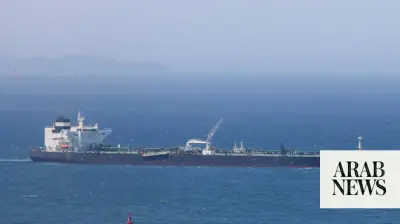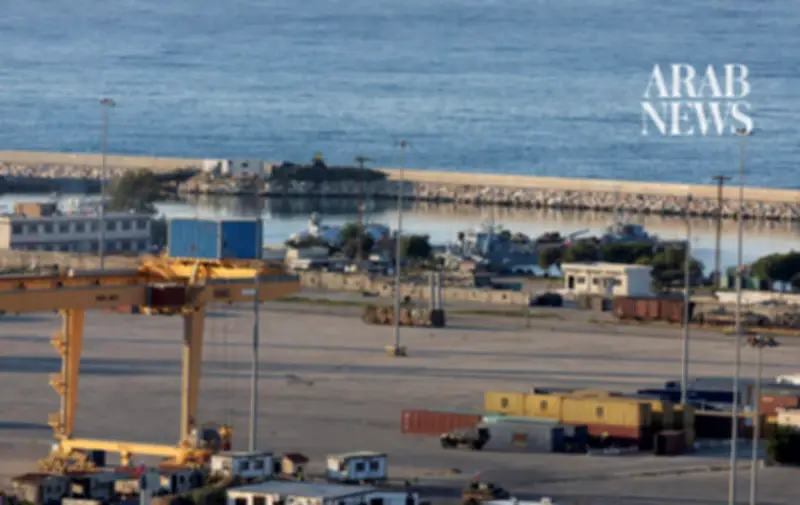
Russia expects to have a commercial logistics hub operational by mid-July at one of two berths within its leased naval base at the Syrian port of Tartous, while retaining a military presence at the other berth, Syrian officials told Reuters. The hub will handle Russian goods including wheat and grains, targeting initial cargo volumes of roughly 250,000 tons per month, according to one official.
Strategic Shift After Assad's Fall
The project is central to Russian efforts to maintain and expand influence in Syria through economic channels following the overthrow of former President Bashar Assad in 2024, which cost Moscow its strongest Middle Eastern ally. However, a battle for influence is unfolding as Washington seeks to ensure Syria awards contracts to US companies and curbs Moscow's military footprint.
Syria's General Authority for Ports and Customs did not respond to pre-publication requests for comment. After publication, spokesman Mazen Alloush denied Russia would operate a commercial hub at the port, calling reports "entirely false" and stating any agreements would be announced through official channels.

Old Ally, New Reality
Moscow has backed Syria for decades and intervened militarily in 2015 to support Assad during a 14-year civil war. His fall raised questions about the lease for Russia's Tartous naval base and its Hmeimim air base near Latakia. Since Assad's ouster, Damascus has sought closer ties with Western and Gulf countries while cooperating with Moscow in energy, food imports, and military ties.
Negotiations are ongoing over the future of Russia's bases. In 2025, Syria canceled a 49-year contract with Russian firm Stroytransgaz for developing commercial facilities at Tartous. The UAE's DP World secured an $800 million, 30-year concession to redevelop and operate the port. On June 6, the Russian-Syrian Business Council, under Russia's Ministry of Industry and Trade, announced plans for an "assembly and distribution center for Russian goods" at Tartous.
Project Details and Operations
The hub is being developed by Syrian logistics company Rus Line in cooperation with Russian firms grouped under the Russian-Syrian Business Council. Project organizers say they have agreed with Syria's Sovereign Fund on joint management. Ossama Ajaj, general manager of Rus Line and adviser to the council, said the hub will initially handle Russian wheat, grains, animal feed, vegetable oils, timber, steel, clinker, coal, rice, sugar, and mineral oils.
Jinan Mubadda, Rus Line's CEO, said the hub will operate from Pier No. 4 at Tartous port, with the other berth dedicated to Russian naval operations. Ajaj described Pier No. 4 as a "restricted zone" of the naval base, adding that Syrian authorities will control operations and all activity requires approval from Syria's General Authority for Ports and Customs.
Timeline and Target Markets
Ajaj told Reuters that cargo volumes of about 250,000 tons per month are targeted initially, with operations expected to begin in mid-July via a 30,000-ton grain shipment. He suggested Russia would maintain a "reduced military presence." Two Syrian foreign ministry officials said the project was outlined at a January 28 meeting in Moscow between Syrian President Ahmed Al-Sharaa and Russian President Vladimir Putin, calling it a turning point for reviving economic cooperation.
Ajaj said the two leaders agreed to reactivate trade and that a framework agreement would establish a regular shipping line between Russian and Syrian ports. The project aims to create a regular maritime route from Russia's Black Sea port of Novorossiysk to Tartous, with goods distributed across Syria and neighboring countries. Ajaj identified Iraq and Jordan as primary target markets, followed by Saudi Arabia, Kuwait, Qatar, and Bahrain.
A May concept document by the Russian-Syrian Business Council said the project envisages using Syrian private security companies to protect cargoes, ruling out Russian security firms.

US Watches Closely
The hub is set to increase Moscow's already significant economic role in Syria. Some 85 percent of Syria's imported wheat—2.9 million tons for the 2025-26 season—comes from Russia and Russian-occupied Crimea, according to a Syrian customs document. Reuters has reported that Syria's reliance on Russian crude oil imports has increased since Assad's fall, with about 16.8 million barrels imported in 2025 and an estimated 60,000 barrels per day in early 2026.
Russia's military intelligence agency, the GRU, recommended increasing support for economic actors capable of strengthening Russian leverage in Syria, according to an intelligence source briefed on a confidential GRU report to the Russian presidential administration in December 2025. The report identified Louay Youssef, head of the Russian-Syrian Business Council, as a reliable figure for this strategy. Youssef, who has held senior positions and served as an adviser on Syrian affairs to Deputy Defense Minister Yunus-Bek Yevkurov, did not respond to requests for comment.
Nanar Hawach, a senior Syria adviser at the International Crisis Group, said the project could help Russia maintain influence regardless of the shape of its military presence. "Russia's hold on Syria rests on what it supplies and maintains, and on its UN Security Council vote, which gives it influence that outlasts any drawdown of troops. A logistics role reinforces that by keeping Russia physically present at the port, strengthening its hand while the future of the base is being decided," he said.
The US is watching closely. Congressman Joe Wilson secured an amendment to the Pentagon budget directing it to assess options for reducing Russia's influence in Syria and securing the departure of its forces from Tartous and Hmeimim. A US State Department official said, "We closely monitor Russian-backed commercial and logistics projects in Syria and are concerned that such initiatives may not contribute to stability in the country." The official added that the US encourages Syria to engage "trusted corporate partners – especially US firms" during reconstruction and to respect US sanctions on Russia.