The United Kingdom's trade balance recorded a deficit of £21 billion (approximately $28.1 billion) in April, a decrease from the previous month's figure, yet exceeding market expectations, according to data released Friday by the Office for National Statistics (ONS).
Import Trends
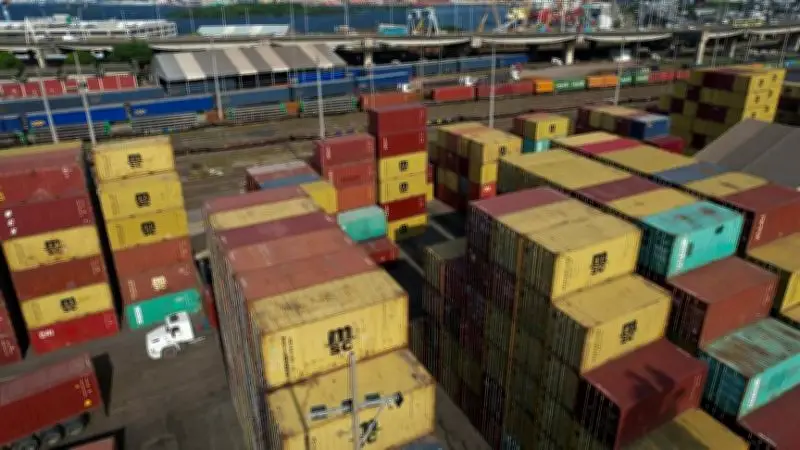
The value of goods imports increased by £0.8 billion ($1.08 billion), or 1.5%, in April compared to March, reaching £54.1 billion. This growth was primarily driven by a £1.1 billion (4%) rise in imports from the European Union (EU), partially offset by a £0.3 billion (1.2%) decline in imports from non-EU countries. Imports from the EU totaled £29 billion in April, which was £3.9 billion higher than imports from non-EU nations.
Key Drivers of Import Changes
The ONS attributed the increase in EU imports mainly to a £600 million surge in fuel imports, particularly higher volumes of refined oil from the Netherlands. Additionally, imports of machinery and transport equipment from the EU rose by £300 million, while chemical imports increased by £200 million. Conversely, the decline in imports from non-EU countries was largely due to lower fuel imports, including reduced gas imports from Norway and the United States, as well as decreased refined oil imports from Kuwait, Nigeria, and the United Arab Emirates. The ONS noted that these reductions may be linked to the closure of the Strait of Hormuz.

Export Performance
Goods exports also rose by £0.8 billion, or 2.6%, in April, reaching £33.1 billion. Exports to both EU and non-EU countries each increased by £0.4 billion. Exports to the EU and non-EU countries were broadly similar, at £16.6 billion and £16.5 billion, respectively.
Factors Behind Export Growth
On the export side, shipments to the EU increased mainly due to a £400 million rise in machinery and transport equipment exports, linked to higher exports of mechanical power generators and aircraft to Germany. Exports to non-EU countries also rose, primarily driven by a £400 million increase in machinery and transport equipment exports, including mechanical power generators to the United Arab Emirates.