S&P Forecasts Pakistan Inflation 5.1%, GDP Growth 3.5% in 2026
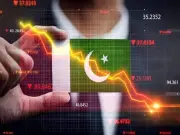
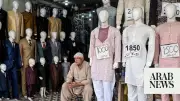
S&P Global Ratings projects Pakistan's inflation to ease to 5.1% and GDP growth to reach 3.5% in 2026, signaling economic stabilization amid fiscal reforms.
Millennials face a bleak retirement future due to inadequate pension funds, inflation, and heavy debt. This article explores investment challenges, economic uncertainty, and asset options like real estate and gold.
Pakistan Business Forum highlights a 34% higher business cost than regional peers, citing energy prices, taxation, and policy instability as key hurdles to export competitiveness and economic growth.
IMF Managing Director Kristalina Georgieva commended Pakistan's government for seriously embracing reforms under its program, noting visible results and budget discipline during Davos meeting.
The Federal Board of Revenue has initiated a nationwide operation against illegal tobacco products, seizing large quantities and targeting smuggling networks to boost revenue.
Pakistan's government has launched the 'Freedom 250' and 'Liberty Bell' initiatives to stimulate economic growth, focusing on youth empowerment and digital transformation. These programs aim to create jobs and foster innovation.
Pakistan's government faces sharp decline in public approval due to economic policies, high inflation, and lack of reforms. Experts call for structural reset to address discontent.
SAPM Haroon Akhtar Khan met with a Chinese delegation to enhance bilateral economic cooperation, focusing on exports, manufacturing, mining, minerals, and industrial policies.
Prime Minister Shehbaz Sharif announced Pakistan's economy is improving with inflation down to 5.5% and IT exports at $3 billion, focusing on export-led growth and reforms at the World Economic Forum.
Pakistan's shrinking middle class stems from cultural spending norms, financial illiteracy, and structural economic issues requiring a bottom-up approach for growth.
Prime Minister Shehbaz Sharif outlines Pakistan's rapid progress in agriculture, IT, AI, and mining at World Economic Forum, highlighting macroeconomic improvements and privatization agenda.
The Ministry of Industries and Production confirms joint efforts with Sindh government for new steel mill land allocation, detailing PSM's shutdown since 2015, workforce reductions, and international protocols for revival.
Experts warn Pakistan's development agenda is at risk due to rapid population growth and insufficient financing. Learn the key challenges and proposed solutions.
Pakistan's economy suffers a staggering annual loss of over Rs1 trillion due to rampant tax evasion and smuggling across key sectors, crippling revenue and development. Read the shocking details.
Pakistan's two transport policies ignore demographics & income realities, prioritizing costly roads over efficient rail. This analysis argues for a shift to rail-centric, people-first transport to serve the majority. #Pakistan #Transport #Railways
The landmark privatisation of Pakistan International Airlines (PIA) to the Arif Habib Group signals a major shift towards rule-based governance and economic reform. This move could transform loss-making public enterprises into engines of growth. Discover
Pakistan's economic indicators show a superficial recovery, but experts warn of a looming crisis fueled by unsustainable debt and stalled reforms. Discover the hidden risks.
The IMF has approved a crucial $1.1 billion loan tranche for Pakistan under its SBA program, unlocking vital funds for economic stability. Learn about the key conditions and what this means for the nation's financial future.
BOI Chairman Ahsan Iqbal briefed Federal Minister Musadik Masood Malik on Pakistan's strategic engagement with China and the progress of CPEC's crucial second phase. Learn about the key focus areas.
Finance Minister Aurangzeb met World Bank Pakistan chief to review partnership. Talks focused on private investment, structural reforms, and skills development to drive economic growth.
PML-N leader Bilal Azhar Kayani met with business leaders in Rawalpindi to discuss investment challenges, economic revival, and policy solutions. Read the key outcomes.
Finance Minister Ishaq Dar emphasizes national unity for economic stability. He calls on all stakeholders to work together for a stronger Pakistan. Read the full story.
Pakistan faces a massive $565.7 billion investment gap to achieve its NDC 3.0 climate commitments by 2035. Experts call for urgent policy reforms and international support.
The Pakistan Institute of Development Economics (PIDE) has initiated a significant recruitment campaign to hire 200+ experts, aiming to provide critical research and policy support for the next phase of CPEC. Learn about the strategic roles and national i
Prime Minister Shehbaz Sharif pledges robust government support to foreign investors, promising policy stability and a favorable business climate to boost Pakistan's economy.
Key economic indicators show improvement following recent reforms, says Planning Minister Ahsan Iqbal. Inflation drops, forex reserves rise, signaling economic stabilization. Read more.
Pakistan's commitment to privatise state entities for a $1.5bn IMF loan faces criticism. Experts question feasibility and transparency. Read the full analysis.
Pakistan's regulatory reforms propel it 47 spots in World Bank's Doing Business index. Discover the key changes driving this historic improvement and what it means for the economy.
The Pakistan Industrial and Traders Associations Front urges the government to enhance the remittance framework to sustain strong inflows, crucial for economic stability. Learn about their key proposals.
Finance Minister Aurangzeb met Visa's CEMEA President Tareq Muhmood. They discussed Pakistan's digital transformation, financial inclusion, and economic reforms. Read more on the key initiatives.