The federal Budget 2026–27 has been presented as a blueprint for economic growth and stability, but its primary focus is on meeting economic targets, complying with International Monetary Fund (IMF) conditions, and encouraging business activity rather than addressing the everyday challenges faced by ordinary citizens. It can therefore be described as only partially people-friendly.
Relief Measures for Salaried Individuals and Low-Income Families
One positive feature is the relief provided to salaried individuals. Reduced income tax rates for certain brackets may increase take-home pay, while a higher allocation for the Benazir Income Support Programme (BISP) aims to help low-income families cope with rising living costs. Taxes on some medicines and healthcare products have also been reduced. These measures indicate that the government has not entirely overlooked public welfare.
Incentives for Businesses and Exporters
The budget also seeks to stimulate economic growth through incentives for exporters, industries and businesses, including tax concessions and lower duties on raw materials. The government expects these policies to boost investment, create jobs and increase exports. If successful, they could strengthen the economy and improve living standards over time.

IMF-Driven Fiscal Discipline
However, the budget has clearly been shaped by Pakistan’s commitments to the IMF. To meet IMF requirements, the government has prioritised fiscal discipline, higher tax collection and a reduced budget deficit. While these measures may enhance economic stability and investor confidence, they also restrict the government’s ability to provide subsidies and direct relief. As a result, many Pakistanis believe the budget places economic stability ahead of immediate public welfare.
High Living Costs Remain Unaddressed
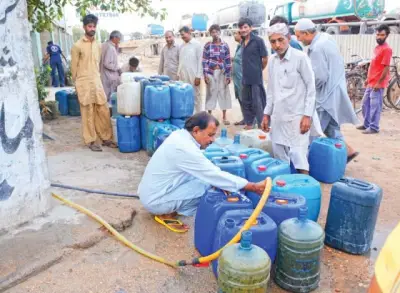
Although inflation has eased from its peak, the cost of food, electricity, gas, healthcare and education remains high. Many families continue to struggle with daily expenses, yet the budget offers no significant reductions in utility bills or major subsidies on essential goods. Consequently, many citizens may see little immediate improvement in their financial situation.
Debt Servicing Consumes Major Share of Spending
Another concern is that a substantial share of government spending goes towards debt servicing and other mandatory obligations, leaving fewer resources for education, healthcare, housing and social welfare. A genuinely people-friendly budget would place greater emphasis on strengthening these public services, which have a direct impact on citizens’ quality of life.
Need for Sustainable Economic Transformation
Supporters argue that fiscal discipline and IMF compliance are essential to prevent another economic crisis. Controlling the deficit, increasing exports and attracting investment are indeed important for long-term prosperity. However, economic stability alone is insufficient if its benefits fail to reach ordinary people. Pakistan’s recurring dependence on IMF assistance also raises broader concerns about its economic future. While IMF programmes may provide temporary relief, they cannot be a permanent solution. Sustainable prosperity requires broadening the tax base, boosting exports, reducing wasteful expenditure, improving governance and encouraging domestic investment. Pakistan possesses immense human and natural resources, but these can only be fully harnessed through sound policies and institutional reform. The real challenge is not securing another IMF package but building an economy that no longer needs one. How long can Pakistan continue to rely on external assistance before standing on its own feet? It is a question policymakers must answer with urgency.
Conclusion: Budget 2026-27 Offers Limited Immediate Relief
In conclusion, the Budget 2026–27 offers limited relief and includes policies that could support long-term economic growth. However, it provides little immediate assistance to citizens grappling with high living costs. The budget appears more focused on economic stability and IMF-driven reforms than on public welfare. Its success will ultimately depend on whether its policies create jobs, reduce living costs and improve public services for the average Pakistani.
GHAZANFAR SOOMRO, Shikarpur.