Limited Fuel Subsidy Announced for Eligible Motorcyclists
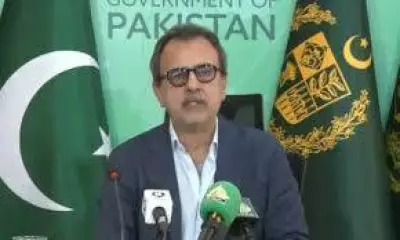
In a significant move to address the economic challenges faced by common citizens, Khurram Schehzad has officially announced a limited fuel subsidy specifically designed for eligible motorcyclists. This targeted initiative aims to provide much-needed relief to a segment of the population that heavily relies on motorcycles for daily commuting and transportation needs.
Details of the Subsidy Program
The subsidy program, as outlined by Schehzad, will be strictly limited to motorcyclists who meet specific eligibility criteria. While the exact details of the criteria are still being finalized, it is expected to focus on individuals with lower income brackets or those using motorcycles for essential purposes such as work or education. The subsidy is intended to offset a portion of the rising fuel costs, which have been a persistent burden on household budgets across the country.
Schehzad emphasized that this is a limited and targeted intervention, not a broad-based subsidy. The government aims to ensure that the benefits reach those who need it most, thereby maximizing the impact of the financial support. This approach is part of a broader strategy to manage fiscal resources efficiently while addressing public concerns over inflation and living expenses.

Context and Rationale
The announcement comes at a time when fuel prices have been volatile, contributing to overall inflationary pressures. Motorcyclists, who often belong to middle and lower-income groups, have been particularly affected by these price hikes. By introducing this subsidy, the government seeks to:
- Alleviate the financial strain on vulnerable households.
- Support essential mobility for work and daily activities.
- Demonstrate a commitment to targeted social welfare measures.
Schehzad highlighted that the subsidy is a proactive step to cushion the impact of economic fluctuations on the common man. It reflects an understanding of the practical challenges faced by millions who depend on motorcycles as their primary mode of transport.
Implementation and Future Outlook
The implementation mechanism for the subsidy is currently under development. Authorities are working on a streamlined process to verify eligibility and disburse the benefits efficiently. This may involve collaboration with fuel stations or digital platforms to ensure transparency and prevent misuse.
Looking ahead, Schehzad indicated that the government will monitor the program's effectiveness and may consider adjustments based on feedback and outcomes. The success of this initiative could pave the way for similar targeted measures in other sectors, as part of a holistic approach to economic management and public welfare.
In conclusion, the limited fuel subsidy for eligible motorcyclists represents a focused effort to provide economic relief where it is most needed. As details emerge, stakeholders are encouraged to stay informed about eligibility requirements and application procedures to benefit from this supportive measure.