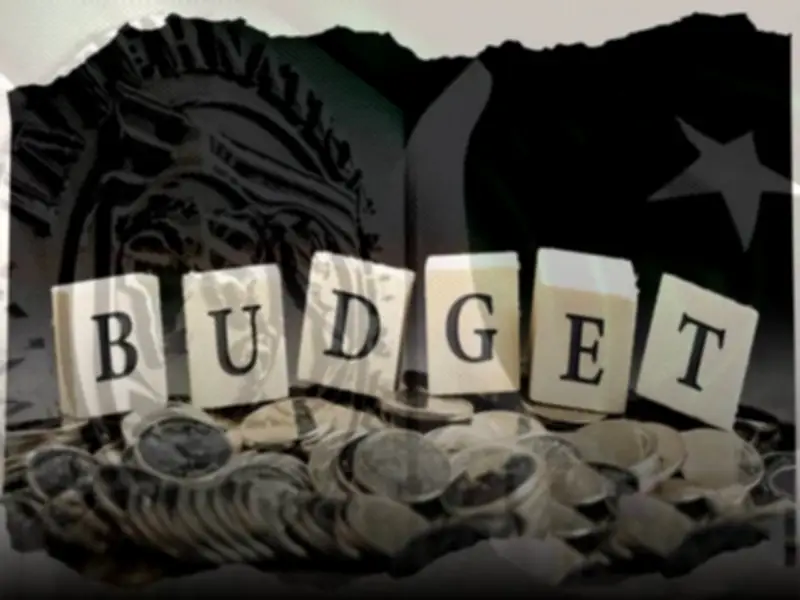
Nearly a month after the FY2026-27 federal budget, leading Pakistani economists assert that the country has achieved short-term macroeconomic stability, but the critical task ahead is implementing long-delayed structural reforms to sustain growth, attract investment, and strengthen investor confidence.
Economists Weigh In on Budget's Impact
Dr Sajid Amin Javed, Deputy Executive Director and founding head of Policy Solutions Lab at the Sustainable Development Policy Institute (SDPI), and Dr Afia Malik, former economist at the Pakistan Institute of Development Economics (PIDE), shared their analysis with The Express Tribune. They agreed that while the budget fulfills fiscal consolidation commitments under the International Monetary Fund (IMF) programme, it offers limited progress on deeper reforms needed for higher and sustainable growth.
Both stressed that the next six to 12 months will be pivotal in determining whether the government can convert stabilization into investment-led economic expansion.

Tax Base Expansion: A Missed Opportunity
Javed stated, "The budget bought much-needed short-term breathing room for some sectors but did not offer much on structural reforms." He argued that the government's immediate priority should be broadening the tax base beyond salaried employees by including retail, wholesale, and agriculture sectors. Investor confidence, he said, depends on consistent implementation of these reforms.
Malik described the FY27 budget as another "stabilisation budget," similar to the previous one, maintaining fiscal discipline and supporting IMF commitments. However, she noted it shows only modest ambition to promote productivity, competitiveness, and investment-driven growth.
Need for Aggressive Implementation
According to Malik, the government must complement the budget with an aggressive implementation agenda focusing on reforms in taxation, energy, exports, state-owned enterprises (SOEs), and the overall investment climate. Delivering these reforms would improve economic resilience, create jobs, enhance competitiveness, and make Pakistan more attractive to investors.
Both economists emphasized that Pakistan's next phase of economic recovery must be led by private investment, not public spending. Malik observed that the budget introduced few meaningful measures to attract large-scale domestic or foreign investment.
Investor Confidence and Institutional Reforms
Investors need a predictable exchange rate, stable fiscal policies, and a simplified tax regime free from frequent changes, Malik argued. She said Pakistan should prioritize institutional reforms—simplifying regulations, strengthening contract enforcement, improving dispute resolution mechanisms, and expanding digital public services—rather than relying mainly on tax incentives. Transparent procurement systems, policy consistency, and better governance would build investor confidence more effectively than temporary incentives.
Revenue Generation Through Tax Reforms
On taxation, both economists agreed the budget missed an opportunity for meaningful reform. Javed estimated that broadening the tax base via a robust digital tax regime for retailers and wholesalers, documenting the informal economy, taxing all income equally, and imposing higher taxes on tobacco, sugary beverages, luxury real estate, and unutilized urban land could generate an additional Rs400-500 billion annually.
Malik criticized Pakistan's tax structure as overly complicated, distortionary, and unpredictable, urging a simpler system with fewer taxes, lower rates, and equal treatment of all income sources. She said the budget focused on revenue generation while neglecting expenditure reforms, including rightsizing the government and improving Public Sector Development Programme (PSDP) efficiency.
Urgent Energy Sector Reforms
The economists stressed the need for urgent energy sector reforms. Malik said lasting solutions require improving transmission infrastructure, reforming distribution companies, and creating a competitive electricity market. She also called for transparent privatization of loss-making SOEs and measures to boost export competitiveness, deepen capital markets, and expand financing for small and medium-sized enterprises (SMEs).

Long-Term Growth and Competitiveness
To support long-term growth, Malik said Pakistan must improve export competitiveness through reliable and affordable energy supplies, better trade logistics, and streamlined customs procedures. She advocated financial sector reforms to deepen capital markets, expand SME financing, and encourage long-term investment.
Both economists cautioned that Pakistan's economic recovery hinges on sustained reforms rather than policy announcements. Malik warned that reform fatigue remains the country's biggest risk, while Javed said investor confidence will depend on consistent implementation of tax and investment reforms to achieve durable, investment-led growth.