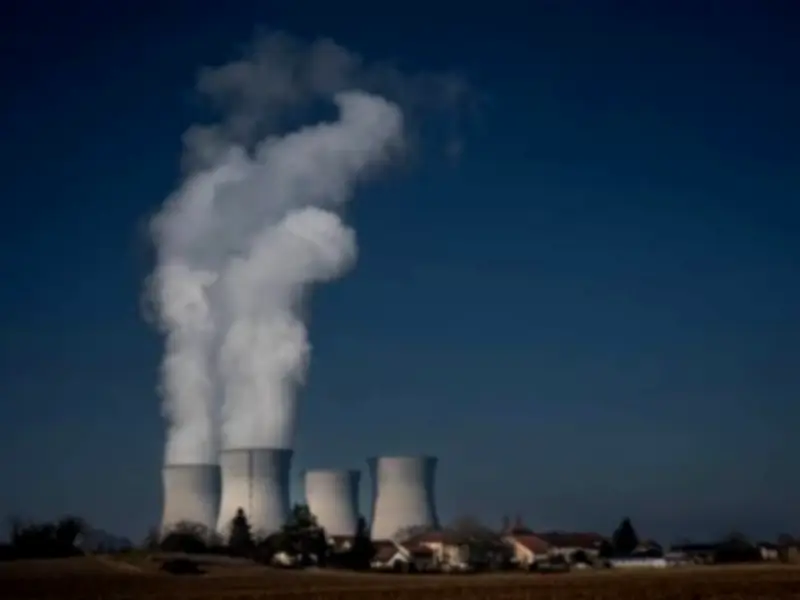
France's main energy provider, EDF, temporarily shut down three nuclear reactors and reduced the power output of eight others on Sunday as a severe heatwave swept across the country. The measure was taken to comply with environmental regulations on cooling water discharges and to protect river ecosystems.
Reactors Shut Down Due to Heat
The reactors at the Golfech, Bugey, and Chooz plants—located on the banks of the Garonne, Rhone, and Meuse rivers, respectively—were shut down, according to the EDF energy group. Power plants critical to France's electricity production use river water to cool their reactors, which heats the water that is then released back into the river. To avoid discharging excessively hot water into already warming rivers, the shutdowns were necessary.
This is the second time in recent weeks that EDF has had to halt nuclear reactors due to extreme heat, following a record-breaking heatwave in June.

Exemption for Bugey Plant
The economy ministry issued an exemption on Saturday to the temperature limits for the heating of the Rhone around the Bugey plant, valid until July 20, to ensure the security of the power grid.
Heatwave Impact Across France
On Sunday, the third heatwave since May placed more than a third of France under the national weather service's highest heat alert. Over 25 million people experienced temperatures forecast to reach up to 41°C, according to an AFP tally based on population data. The heatwave forced tourist hotspots to close early, event cancellations, and a shortened stage of the Tour de France. Wildfires have proliferated, and deaths by drowning have spiked amid the heat.
Infrastructure Strain and Climate Change
Since the end of May, France has been hit hard by repeated episodes of intense heat, causing excess mortality and exposing problems with infrastructure maladapted to extreme weather. Scientists have linked the increasing frequency of such heatwaves to man-made climate change.