Greenland's Vanishing Ice Threatens Traditional Seal Hunting Livelihoods
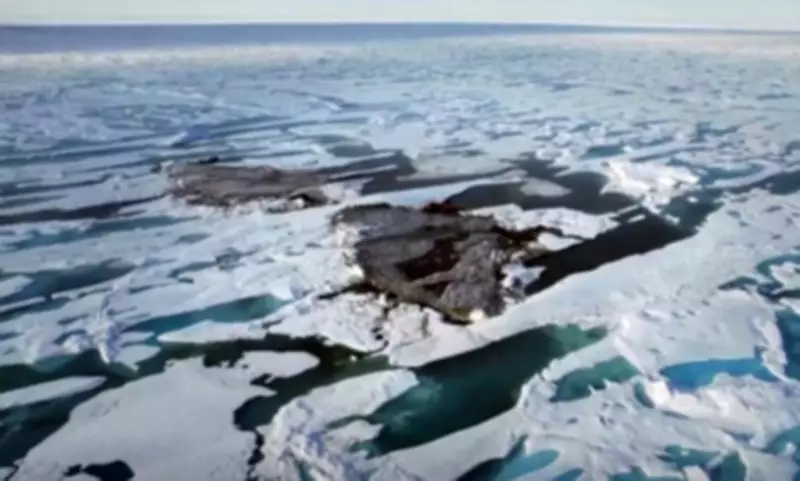
Standing in his boat with binoculars firmly in hand, hunter Malik Kleist meticulously scans the horizon for seals near Sisimiut in southwestern Greenland. However, this February has brought an alarming reality: the sea ice that typically forms by this time has yet to freeze, posing a severe threat to traditional livelihoods like his that have sustained communities for generations.
Disrupted Hunting Patterns and Longer Voyages
"Normally the seals are on the ice or in the more calm waters. But today we had to sail all the way into the fjords to find them," explains the 37-year-old hunter in an interview with AFP. This shift represents a significant departure from traditional practices, where hunters would head straight out to sea, slowly pushing through the ice and creating holes that naturally attract seals coming up for air. Without the protective ice cover, Kleist notes that conditions become treacherous: "it's too windy and the waves are too big" for effective hunting.
Hunters are now compelled to sail farther along the jagged coast of Sisimiut, navigating deep into the fjords for several hours to locate seals. This increased travel not only raises safety risks but also heightens fuel costs and reduces the efficiency of hunting expeditions, directly impacting the economic viability of this age-old profession.

Accelerated Arctic Warming and Scientific Evidence
The Arctic region stands on the frontline of global warming, heating up at an alarming rate. According to a 2022 study published in the scientific journal Nature, the Arctic has been warming four times faster than the rest of the planet since 1979. This rapid temperature rise is causing sea ice to retreat dramatically, which in turn disrupts the natural habitat of seals. These marine mammals rely on pack ice for critical life functions: giving birth, resting, and seeking protection from predators.
Last year proved exceptionally warm across Greenland's vast autonomous territory, with several temperature records shattered, as reported by the Danish Meteorological Institute (DMI). In a striking example, the Summit Station, located at the height of Greenland's ice sheet, recorded an average temperature of -30.9 degrees Celsius (-23.6 Fahrenheit) in December. This figure is 8.1 degrees Celsius higher than the December average for the period 1991-2020, underscoring the intensity of recent warming trends.
Broader Implications for Communities and Ecosystems
The disappearance of sea ice not only threatens the immediate livelihood of hunters like Malik Kleist but also has cascading effects on local ecosystems and cultural traditions. Seal hunting is deeply embedded in the social and economic fabric of Greenlandic communities, providing food, income, and a connection to ancestral practices. As ice conditions become increasingly unpredictable, hunters face growing uncertainties that could lead to long-term declines in this traditional sector.
Moreover, the retreat of sea ice contributes to broader environmental changes, including rising sea levels and altered marine biodiversity. These shifts highlight the urgent need for adaptive strategies and global climate action to mitigate the impacts on vulnerable regions like Greenland.
In summary, the plight of hunters in Sisimiut serves as a poignant reminder of the tangible human costs associated with climate change. As Arctic warming accelerates, the preservation of traditional livelihoods and ecosystems hangs in the balance, calling for concerted efforts to address this pressing global challenge.