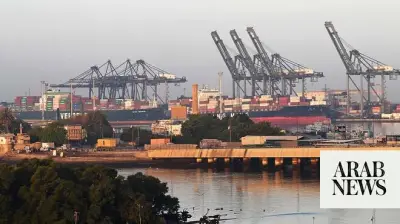
The government of Pakistan has recently announced a significant reduction in electricity tariffs for industrial consumers, a move designed to reinvigorate the country's manufacturing sector and improve its global competitiveness. This tariff cut is part of a broader economic stabilisation effort that also includes measures to stabilise the power sector's finances and curb the persistent issue of circular debt. By lowering energy costs, the initiative aims to ease production expenses, boost export potential, and stimulate overall economic growth in an industry that has long been hindered by energy inefficiencies and fiscal distortions.
Reviving Industrial Competitiveness
Providing relief to industries is not merely a desirable step; it is an essential one for Pakistan's economic recovery. The viability of the manufacturing base, productivity improvements, and investment attraction all depend on such interventions. Lower energy costs can enable firms to expand their output, retain jobs, and compete more effectively in regional and global markets, where energy pricing often plays a critical role in commercial survival.
Policy Coherence and Social Equity
However, policy coherence demands that this relief does not become a zero-sum exercise. Household consumers, who are already grappling with high inflation and stagnant incomes, continue to bear a disproportionate share of the energy burden. When concessions to one segment are perceived to come at the expense of another, it can lead to resentment rather than reform. Disparities in tariff structures risk entrenching a narrative of unequal treatment, which could undermine public trust in otherwise well-intentioned economic reforms.

Balancing Industry and Household Needs
The government has initiated several positive measures to rationalise the power sector, enhance transparency, and address structural inefficiencies. Yet, reforms that fail to account for social equity often unravel under political pressure. A balanced approach that cushions households while energising industry would reinforce the credibility of these initiatives and demonstrate that economic recovery is not being engineered solely for select constituencies.
The Imperative of Balanced Reform
In a country where energy policy has long been associated with fiscal mismanagement and public discontent, striking this balance is not merely a technocratic exercise; it is a political and social imperative. The optics of reform matter significantly, as does its distributional impact. Ensuring that both industrial and household consumers benefit equitably is crucial for sustaining long-term economic stability and public support.