Iran Conflict Ignites Aviation Fuel Crisis, Airlines Scramble to Hedge Costs
The ongoing war in Iran has triggered a sharp escalation in global oil prices, with Brent crude oil approaching $100 per barrel on Thursday due to severe supply disruption fears. This surge is directly impacting jet fuel costs, which constitute a substantial portion of airline operational expenses, pushing the aviation industry toward a financial precipice.
Jet Fuel Prices Skyrocket to Near-Historic Levels
Spot Northwest European jet fuel prices were recorded at $1,536 per metric ton on Thursday, hovering perilously close to the all-time intra-day high of $1,633 reached just this past Monday. The relentless upward trajectory is primarily fueled by geopolitical tensions in the Middle East, which threaten to destabilize energy markets further. As jet fuel is priced in US dollars, airlines are also grappling with currency volatility, compounding their financial challenges.
Hedging Strategies Become Critical for Survival
In response to this crisis, airlines are aggressively employing futures, options, and currency hedges to shield themselves from unpredictable price swings. Notably, US airlines, which have largely abandoned fuel hedging practices, face heightened vulnerability if the conflict prolongs. Below is an expanded overview of how major global carriers are fortifying their positions:


- Air France-KLM: The Franco-Dutch group enhanced its hedging policy in February, increasing exposure to 87% of one-year consumption from 68%, while extending its hedging horizon to eight quarters.
- Air New Zealand: Hedging 83% of fuel for the second half of its financial year and 46% for the first half through 2027, primarily using Brent Crude contracts.
- Cathay Pacific: The Hong Kong carrier has hedged fuel into Q2 2027, covering approximately 30% of costs until Q2 2026.
- China Eastern Airlines: As of June 30, 2025, this state-owned airline reported no outstanding jet fuel hedging contracts after cautious market assessments.
- EasyJet: The British budget airline secured 84% of fuel needs for H1 2026 at $715 per ton, alongside dollar hedges at favorable exchange rates.
- Finnair: Updated its risk management in December to a 24-month horizon, covering 219 tons at $718 per ton for Q1 and 834 tons through Q2 2027 at $697 per ton.
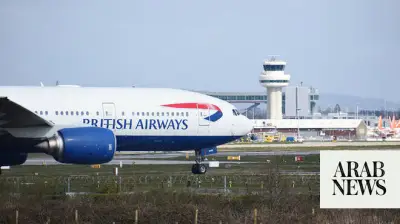
- IAG (British Airways, Iberia): Reported a 9% decrease in hedging for 2025, with policies targeting up to 75% of near-term requirements and 80% for low-cost subsidiaries.
- Icelandair: Plans to hedge 20-50% of fuel six months forward, projecting an $11.6 million equity impact from a 10% price increase.
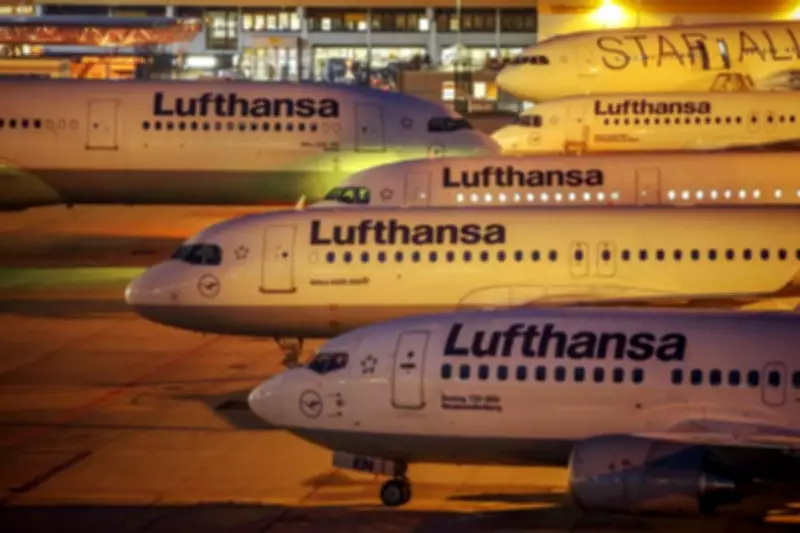
- Lufthansa: Hedging covers 76% of 2025 fuel needs and 28% for 2026, with a 24-month horizon.
- Norwegian Air: Hedged about 45% of 2026 consumption and 25% for 2027.
- Qantas: 81% of fuel hedged for H2 of the financial year ending June 30, 2026.
- Ryanair: Covered 77% of fuel needs through March 2026 at $761 per ton, with 80% locked for the upcoming year based on $67 per barrel crude.
- SAS: Temporarily adjusted hedging due to market uncertainty, currently at 0% for the next 12 months against a target of 40-80%.
- Singapore Airlines: Hedging fuel for up to five years, with coverage decreasing from 49% in Q4 to 7% in later years, at $66-$69 per barrel for Brent.
- Virgin Australia: Hedging 85% of fuel and 94% of foreign exchange for H2 of its financial year.
- Wizz Air: The Hungarian carrier secured 83% of jet-fuel needs through March 2026 at $681-$749 per ton, with 55% coverage for 2027.
Implications for the Aviation Industry
The widespread adoption of sophisticated hedging mechanisms underscores the severe pressure airlines face from escalating fuel costs. As the Iran war continues to disrupt supply chains, carriers must balance aggressive financial strategies with operational adaptability to navigate this turbulent period. The disparity in hedging approaches—from comprehensive coverage to minimal exposure—highlights varying risk tolerances and could dictate competitive outcomes in the coming months.