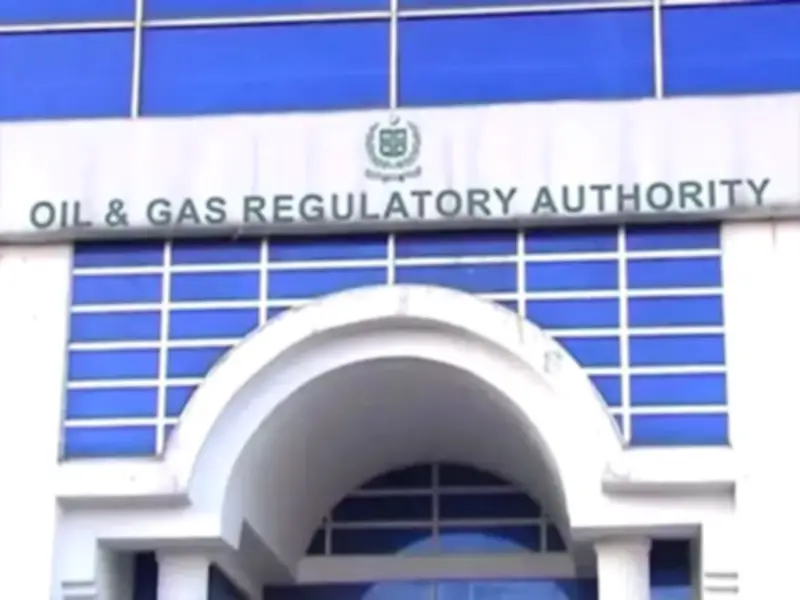
The Oil and Gas Regulatory Authority (Ogra) and the oil industry are poised to break a prolonged deadlock over several regulatory and financial issues that have remained unresolved for years, according to industry representatives. Ogra has scheduled a meeting with chief executives of all oil marketing companies (OMCs) on July 8, viewed by the downstream petroleum sector as a potentially pivotal opportunity to address scores of longstanding challenges.
Background of the Stalemate
The meeting, the first of its kind under the new Ogra leadership, comes after repeated representations from the industry through the Oil Companies Advisory Council (OCAC). The OCAC has frequently written to the regulator seeking action on issues ranging from delayed payments and inadequate marketing margins to frequent changes in the petroleum pricing mechanism. Despite these efforts, companies report little tangible progress has been made.
Invitations issued on July 3 were sent to more than 30 OMCs, including major players like Pakistan State Oil, Attock Petroleum, Hascol, Parco, Gunvor, Cnergyico, and Puma Energy, as well as several smaller companies. Participants have been asked to submit their pending issues in writing, signaling a more structured engagement with the industry.

Key Concerns of the Industry
For OMCs, this meeting is more than a routine consultation. Industry officials say it represents an opportunity for the regulator to address structural issues increasingly affecting the commercial viability of the downstream petroleum sector. Among the foremost concerns is the backlog of price differential claims (PDCs), with outstanding payments now exceeding Rs66 billion. Companies argue that the delayed settlement of these claims has tied up working capital and constrained cash flow at a time when operating costs continue to rise.
The industry is also seeking a return to the purchase-based mechanism for verifying PDCs, replacing the current sales-based methodology. They believe this change would expedite the settlement process and reduce the accumulation of unpaid claims.
Marketing Margins and Pricing Reforms
Marketing margins remain another major concern. OMC margins have not been revised since September 2023, despite a sustained increase in financing costs, compliance expenses, and the cost of maintaining mandatory strategic fuel stocks. Companies also point to investments exceeding Rs1 billion in digitalisation initiatives, arguing that the existing margin structure offers no mechanism to recover these costs.
Frequent revisions to the petroleum pricing formula have added to the industry's troubles. Between March and late June this year, the pricing methodology for petrol was revised four times, while the formula for high-speed diesel was changed seven times. According to industry estimates, a pricing adjustment on June 20 alone altered the value of inventories held by OMCs and refineries by around Rs104 billion, exposing companies to gains or losses driven by regulatory changes rather than commercial decisions.
Impact on Sector Sustainability
Industry representatives argue that resolving these issues is no longer just a commercial imperative but a matter of ensuring the long-term sustainability of Pakistan's downstream petroleum sector. They warn that prolonged regulatory uncertainty, delayed reimbursements, and stagnant margins are eroding investor confidence and placing additional financial strain on companies responsible for maintaining strategic fuel stocks and ensuring uninterrupted nationwide supplies.
While expectations from the July 8 meeting remain measured, industry participants say they hope it will mark the beginning of a more responsive regulatory approach. They argue that concrete progress on outstanding claims, margins, and pricing reforms will strengthen the financial health of OMCs, reinforce supply-chain continuity, and restore confidence in the sector's regulatory framework.