Global Oil and Gas Shipping Costs Skyrocket Amid Iran's Strait of Hormuz Closure Threat
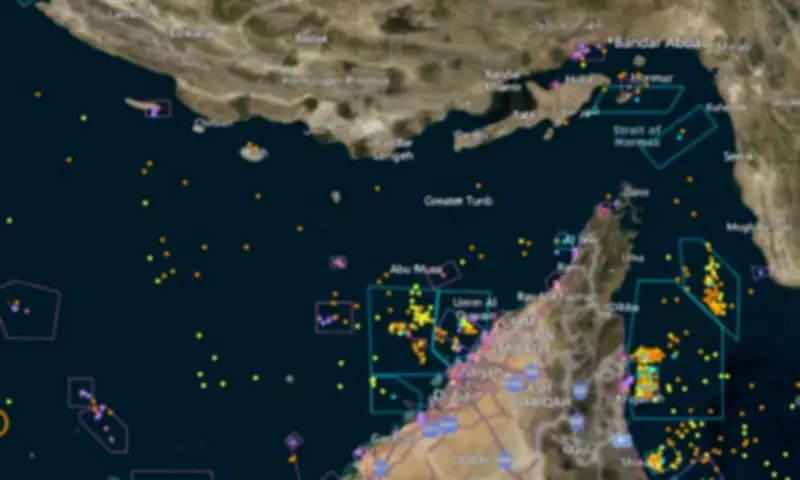
Shipping through the critical Strait of Hormuz has ground to a near standstill, following Iran's retaliatory attacks on vessels in the area. This strategic waterway, located between Iran and Oman, is responsible for transporting approximately one-fifth of the world's oil consumption and significant volumes of liquefied natural gas (LNG). The disruption comes as Iran vows to close the strait and fire on any ships attempting passage, in response to U.S. and Israeli strikes that reportedly killed Supreme Leader Ayatollah Khamenei over the weekend.
Supertanker Rates Hit All-Time Highs
According to shipping data and industry sources, supertanker costs in the Middle East have surged to unprecedented levels. The benchmark freight rate for Very Large Crude Carriers (VLCCs), which transport 2 million barrels of oil from the Middle East to China, soared to an all-time high of W419 on Monday. This equates to $423,736 per day, based on LSEG data. The rate has doubled since Friday, extending gains from a six-year high recorded last week.
The intensifying U.S.-Iran conflict has triggered multiple oil and gas shutdowns across the region, leading to a spike in Brent crude futures by nearly 10% this week. European natural gas prices have also jumped due to fears of a prolonged closure of the strait.

LNG Shipping Rates Experience Sharp Increases
Daily freight rates for LNG tankers jumped more than 40% on Monday, following Qatar's decision to halt production. Atlantic rates rose to $61,500 per day, a 43% increase from Friday, while Pacific rates climbed to $41,000 per day, up 45%. Fraser Carson, principal analyst for global LNG at Wood Mackenzie, warned that spot daily LNG shipping rates could exceed $100,000 this week due to tight supply.
Carson highlighted that vessel availability for the remainder of March is weak, as cargo operators struggle to address backlogs caused by weather disruptions in February. He emphasized that there will be intense competition for any available vessels, and shipping will remain idle until safe passage through the Strait of Hormuz is assured.
Industry Responses and Regional Impact
An anonymous oil shipbroker noted that assessing shipping rates in the Gulf has become extremely difficult, as several shipowners have suspended operations indefinitely. Meanwhile, bunker sales at Fujairah, a major bunkering port in the United Arab Emirates, have slowed due to disrupted fuel supply, leading to price increases and potential shifts in demand to ports like Singapore.
South Korean shipping firm Hyundai Glovis announced on Tuesday that it is preparing contingency plans, including securing alternative routes and ports. Additionally, South Korea's maritime ministry issued a notice advising shippers with vessels in the Middle East to refrain from business operations in the region.
The conflict has prompted precautionary shutdowns at oil and gas facilities across the Middle East, with Iran attacking Gulf countries in retaliation. The situation remains volatile, with global energy markets closely monitoring developments as the crisis unfolds.