Oil Prices Surge Over 6% as US-Iran Tensions Reignite Over Strait of Hormuz
Global oil markets experienced a sharp rebound on Monday, with prices climbing more than 6% as renewed geopolitical tensions between the United States and Iran sparked fears of a potential collapse in their fragile ceasefire agreement. This dramatic upswing comes just days after a significant 9% decline, highlighting the extreme volatility driven by developments in the critical Middle Eastern region.
Price Movements and Market Reaction
Brent crude futures, the international benchmark, advanced by $5.47, or 6.05 percent, reaching $95.85 a barrel by 11:07 a.m. Saudi time. Similarly, US West Texas Intermediate crude rose by $5.46, or 6.51 percent, to $89.31 a barrel. This surge represents a stark reversal from Friday's trading session, where both contracts tumbled by approximately 9 percent, marking their largest daily declines since April 18.
The earlier drop was triggered by optimistic announcements from Iran and the US regarding the Strait of Hormuz. Iran had declared passage for all commercial vessels through the strategic waterway was open for the remaining ceasefire period, while US President Donald Trump stated Iran had agreed to never close the strait again. However, market confidence in these assurances proved short-lived.

Escalating Tensions and Disrupted Shipping
The price spike was fueled by a series of escalating incidents over the weekend. The United States announced on Sunday that it had seized an Iranian cargo ship attempting to run its naval blockade. In response, Iran vowed retaliation, raising growing concerns about a resumption of hostilities. Furthermore, Tehran declared it would not participate in a second round of negotiations that the US had hoped to initiate before the two-week ceasefire expires this week.
June Goh, a senior oil market analyst at Sparta Commodities, highlighted the immediate impact on shipping. "Within 24 hours of Friday’s ‘completely open’ announcement, there were already tankers that were fired upon by the Islamic Revolutionary Guard Corps, leading to more fears from the shippers on attempting to leave," Goh explained. She also pointed to worsening market fundamentals, noting that "10 to 11 million barrels per day of crude oil remains shut in," referring to significant ongoing production losses.
Strait of Hormuz: A Critical Chokepoint in Flux
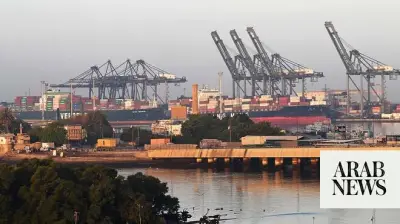
The Strait of Hormuz, a narrow passageway handling roughly one-fifth of the world's oil supply before the conflict began almost two months ago, remains a central flashpoint. The US has maintained a blockade of Iranian ports, while Iran has lifted and then re-imposed its own blockade of the strait, creating a highly unstable environment for global oil transit.
Saul Kavonic, head of research at MST Marquee, criticized the market's reliance on volatile announcements. "Oil markets continue to gyrate in response to oscillating social media posts by the US and Iran, rather than the realities on the ground which remain challenging for oil flows to resume in a rapid fashion," he stated. Kavonic added, "The announcement of the Strait opening proved premature. Ship owners will be twice shy about heading toward the Strait again without receiving much more confidence that any announced passage is real."
Contradictory Data and Future Uncertainty
Despite the tensions and reported attacks, data from Kpler showed a contradictory picture for Saturday, with more than 20 ships passing through the strait carrying oil, liquefied petroleum gas, metals, and fertilizers. This represented the highest number of vessel crossings since March 1. This discrepancy between reported incidents and shipping data further underscores the complex and opaque nature of the current situation.
The oil market now faces heightened uncertainty as the ceasefire deadline approaches. With the US and Iran engaging in provocative actions and rhetoric, and with the vital Strait of Hormuz operating under a cloud of threat and mistrust, traders are bracing for continued price volatility. The fundamental issue of significant shut-in production, combined with the precarious security of global shipping routes, suggests that supply concerns will keep upward pressure on prices in the near term.