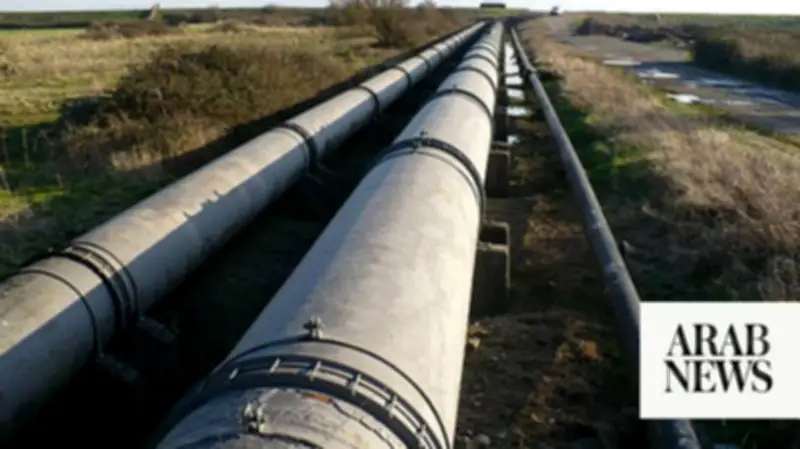
Pakistan's top investment body on Tuesday approved a 435-kilometer pipeline project to transport refined petroleum products from central Punjab province to northwestern Khyber Pakhtunkhwa, aiming to improve energy security, lower transportation costs, and reduce reliance on road-based fuel deliveries.
Project Details and Route
The Machike-Thallian-Tarru Jabba White Oil Pipeline was approved with facilitation by the Special Investment Facilitation Council (SIFC), a government-backed body that coordinates between federal and provincial institutions to accelerate major investment and infrastructure projects. The pipeline will connect Machike, a major oil storage and distribution hub near Lahore in Punjab, with Thallian near Islamabad and Tarru Jabba near Peshawar, the capital of Khyber Pakhtunkhwa. This creates a dedicated corridor for transporting refined petroleum products across a large section of the country.
Reducing Road Transport Dependence
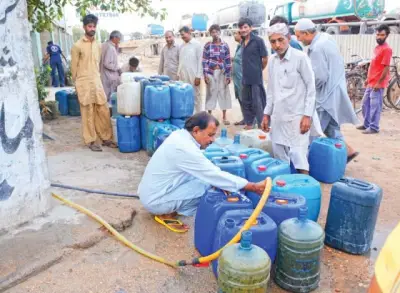
Pakistan currently relies heavily on road transport to move fuel between storage depots and consumption centers, a system that is generally more expensive, less efficient, and more vulnerable to supply disruptions than pipeline networks. The SIFC said in a statement: “The White Oil Pipeline will establish a vital south-to-north corridor for white oil transportation across Pakistan. Upon completion, the project will improve fuel supply efficiency, reduce reliance on road-based transportation, lower logistics costs, minimize fuel losses, and enhance the overall reliability of the country’s energy supply chain.” In the oil industry, “white oil” refers to refined petroleum products such as petrol, diesel, and jet fuel, as opposed to crude oil.

Modernizing Energy Infrastructure
Pakistan has in recent years sought to modernize its energy infrastructure as fuel demand grows and transportation costs place pressure on the economy. The government has also promoted pipeline projects as a way to improve efficiency, reduce congestion on highways, and lower the environmental impact associated with large-scale fuel transportation by road. The SIFC said the white oil project had remained on its priority agenda and that a memorandum of understanding for the pipeline had been signed under the council’s platform. It said the council helped coordinate among stakeholders and facilitate the approvals required for the project to move forward.
Expected Economic and Investment Impact
The council said the project was expected to contribute to job creation, support modernization of the country’s energy infrastructure, and improve investor confidence by demonstrating Pakistan’s ability to facilitate large-scale strategic investments. “The successful facilitation of the White Oil Pipeline reflects SIFC’s continued role in strengthening Pakistan’s business ecosystem, unlocking investment opportunities, and accelerating key infrastructure projects that support sustainable economic growth and national development,” the statement added.