Pakistan's Fuel Price Dilemma: Fiscal Pressures and Economic Strain
Pakistan is grappling with a significant economic challenge as fuel prices continue to rise, creating a complex dilemma for policymakers. The nation faces mounting fiscal pressures that are exacerbated by global market volatility, domestic economic instability, and increasing public discontent. This situation highlights the delicate balance between managing government finances and addressing the needs of citizens and businesses.
Global Market Volatility and Domestic Impact
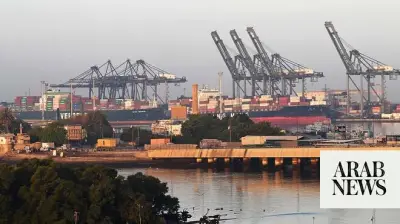
The surge in fuel prices is largely driven by fluctuations in international oil markets, which have seen prices climb due to geopolitical tensions and supply chain disruptions. For Pakistan, a country heavily reliant on imported oil, this translates directly into higher costs for petrol, diesel, and other petroleum products. The government must navigate these external pressures while also contending with a weakening rupee, which further inflates import bills and strains foreign exchange reserves.
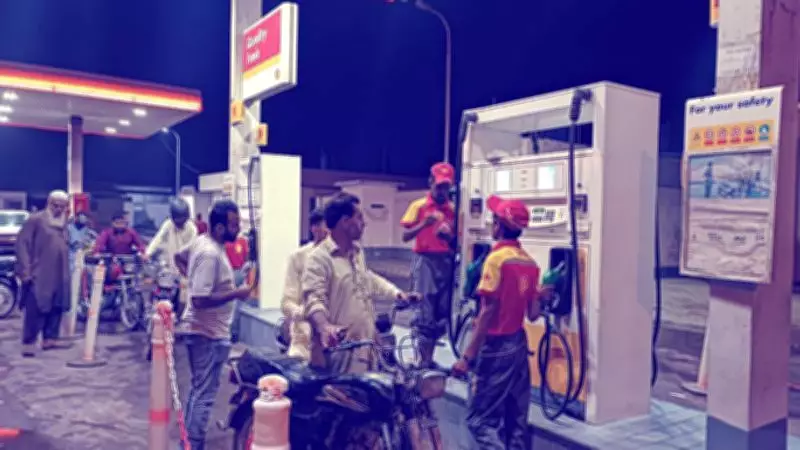
Domestically, the impact is profound. Transportation costs have skyrocketed, affecting everything from daily commutes to the logistics of goods and services. This has a cascading effect on inflation, as higher fuel prices lead to increased costs for food, utilities, and other essentials. Businesses, particularly in the manufacturing and agricultural sectors, are facing squeezed profit margins, potentially slowing economic growth and investment.

Fiscal Pressures and Government Response
On the fiscal front, the government is caught in a bind. While higher fuel prices could generate additional revenue through taxes and levies, they also risk fueling inflation and public unrest. The authorities have implemented periodic adjustments to fuel prices, often in line with international trends, but these moves are met with criticism from opposition parties and civil society. There is ongoing debate over whether to subsidize fuel to ease the burden on consumers, but this would further strain the national budget and potentially lead to higher deficits.
Moreover, Pakistan's energy sector is already under stress due to issues like circular debt and inefficiencies in distribution. The rising fuel prices compound these problems, making it harder to achieve fiscal stability. Policymakers are exploring alternatives, such as promoting renewable energy sources and improving energy efficiency, but these are long-term solutions that do not address immediate pressures.
Economic and Social Consequences
The economic consequences of this dilemma are far-reaching. Inflation has become a persistent issue, eroding purchasing power and increasing poverty levels. The common citizen is feeling the pinch, with many struggling to afford basic necessities. This has sparked protests and calls for government intervention, adding to political tensions.
From a broader perspective, the fuel price crisis underscores deeper structural issues in Pakistan's economy. Dependence on imported energy, fiscal mismanagement, and lack of diversification are key factors that need addressing. Without comprehensive reforms, the country may continue to face similar dilemmas in the future, hindering sustainable development and economic resilience.
In summary, Pakistan's fuel price dilemma is a multifaceted problem that intertwines global economic trends with domestic fiscal challenges. It requires a balanced approach that considers both short-term relief for citizens and long-term strategies for energy security and economic stability. As the situation evolves, all eyes are on how the government will navigate these turbulent waters to mitigate impacts on the nation's economy and its people.