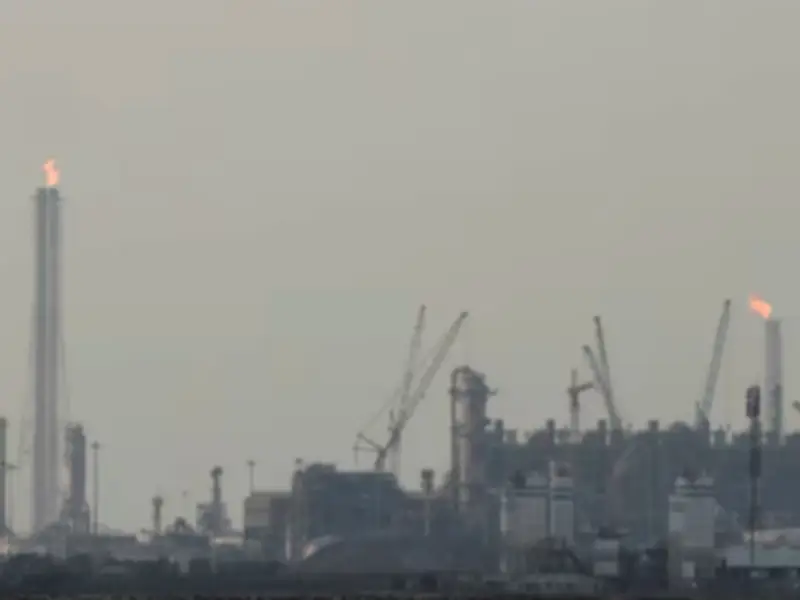
Qatar has paused its efforts to rapidly revive production at the world’s largest liquefied natural gas (LNG) facility, the Ras Laffan complex, following an attack on one of its tankers near the Strait of Hormuz, Bloomberg reported on Thursday. The decision, made by QatarEnergy CEO Saad Al-Kaabi after a series of meetings prompted by Tuesday’s attack, halts plans to increase output at the facility, according to people familiar with the matter.
Operations Scaled Back for Safety
Operations at Ras Laffan will be maintained at minimum levels for safety reasons, and the number of vessels scheduled to dock at the plant in the coming days will be reduced. This marks one of the most significant energy-sector consequences of the renewed tensions around the Strait of Hormuz, following attacks on several ships near the strategic waterway and US strikes on Iran for two consecutive days.
Global Market Implications
The Strait of Hormuz is a critical route for global energy shipments, including LNG exports from Qatar, one of the world’s largest suppliers of the fuel. The delay in restoring output at Ras Laffan could tighten the global gas market further as Europe and Asia seek supplies ahead of the winter season. Asian LNG spot prices are more than 80% above pre-war levels, while European benchmark gas prices rose on Thursday above €50 ($57.1) per megawatt-hour for the first time since the US and Iran reached an interim peace deal last month.

Background of the Disruption
Qatar had been preparing to revive most of its LNG production within two months following the agreement, keeping some production trains at reduced capacity to enable a quicker ramp-up when transit conditions improved. However, those efforts have now been temporarily paused as Qatar waits for tensions to ease. The Ras Laffan facility had been largely shut since early March after an Iranian drone attack, while about 17% of the plant’s capacity was damaged in a separate missile strike weeks later. The report said repairs to the damaged section are expected to take at least three years.
Force Majeure and Tanker Attack
Last week, QatarEnergy extended force majeure notices on LNG supplies to some Asian customers until August, adding uncertainty over the timing of a restart. The latest disruption came after Qatar said its Al Rekayyat LNG tanker was struck by Iran on Tuesday. The vessel was disabled, and the crew abandoned the ship shortly afterwards. Two other vessels were also attacked, while maritime traffic through the Strait of Hormuz slowed sharply on Thursday amid the renewed escalation.