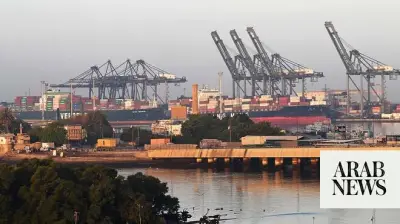
Shell Invokes Force Majeure for Qatari LNG Deliveries Amid Operational Issues
In a significant development in the global energy market, Shell has declared force majeure to clients who purchase Qatari liquefied natural gas (LNG), according to sources familiar with the matter. This legal clause allows the company to suspend or delay contractual obligations due to unforeseen circumstances beyond its control, potentially disrupting supply chains and affecting energy prices worldwide.
Details of the Force Majeure Declaration
The declaration, reported by industry insiders, stems from operational challenges that have hindered Shell's ability to fulfill its delivery commitments for Qatari LNG. While specific reasons for the disruption were not disclosed, such events often relate to technical failures, logistical bottlenecks, or external factors like geopolitical tensions or natural disasters. This move underscores the volatility in the LNG sector, where supply reliability is crucial for meeting global energy demands.
Impact on Clients and Global Energy Markets
Clients affected by this force majeure include various energy companies and utilities that rely on Qatari LNG for their operations. The suspension of deliveries could lead to supply shortages, forcing buyers to seek alternative sources, which may drive up prices in an already tight market. Qatar is one of the world's largest LNG exporters, and any disruption in its supply chain has ripple effects across regions, particularly in Asia and Europe where demand for cleaner fuels is rising.

Market analysts note that this development comes at a time when global energy markets are grappling with fluctuations due to factors such as the ongoing transition to renewable sources and geopolitical uncertainties. The force majeure declaration by Shell highlights the fragility of LNG supply networks and the need for diversified energy strategies to mitigate risks.
Broader Implications for the Energy Sector
This event may prompt a reevaluation of contract terms and risk management practices within the LNG industry. Companies might increase their focus on securing multiple supply sources or investing in storage facilities to buffer against such disruptions. Additionally, it could accelerate discussions around energy security and the role of LNG in the global energy mix, especially as nations aim to reduce carbon emissions while ensuring stable power supplies.
In summary, Shell's force majeure on Qatari LNG deliveries serves as a reminder of the interconnectedness of global energy markets and the potential for unforeseen events to impact supply chains. Stakeholders are advised to monitor the situation closely as it unfolds, with implications for pricing, contracts, and long-term energy planning.