Turkey-Iran Gas Pipeline Contract Nears Expiry, No Extension Talks Yet
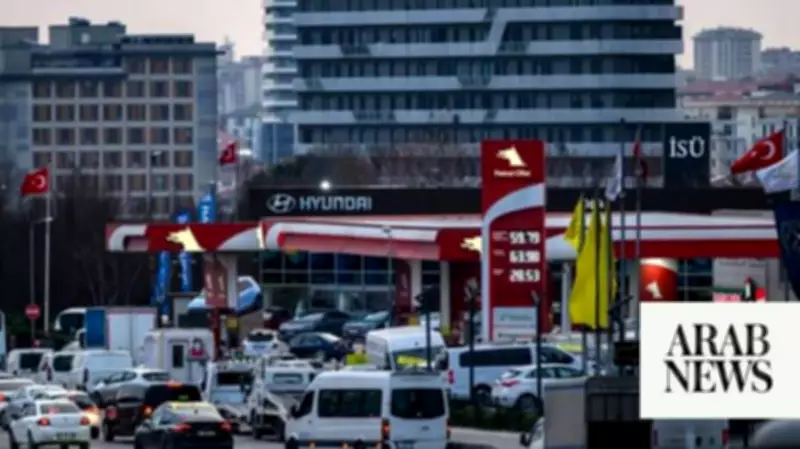
Turkey's long-term contract for importing natural gas from Iran is due to expire in the coming months, with no negotiations currently underway for a potential extension, according to Turkey's energy minister. The agreement, which is set to terminate in July, has been a significant component of Turkey's energy supply strategy for years.
Contract Details and Historical Performance
The contract stipulates the delivery of 9.6 billion cubic meters of natural gas annually from Iran to Turkey. However, actual gas flows have consistently fallen short of this contracted volume. Data from regulatory authorities indicates that the pipeline last achieved the full contracted amount in 2022.
In the previous year, Turkey imported approximately 7.6 billion cubic meters of gas from Iran. This volume accounted for roughly 13 percent of Turkey's total natural gas imports, highlighting the pipeline's role in the country's energy mix despite the delivery shortfalls.

Minister's Statements on Future Prospects
Energy Minister Alparslan Bayraktar addressed the situation during a diplomacy forum in Antalya, Turkey. He stated, "According to our forecast, we might need this gas pipeline or the gas flow from Iran for the security of supply of Turkey. There is no negotiation right now ongoing. I think they are busy with so many other things. But we might sit and discuss a potential extension."
Bayraktar further clarified that no discussions have commenced due to the current regional circumstances, specifically referencing the ongoing conflict involving Iran. This geopolitical context appears to be a primary factor delaying any formal talks between the two nations.
Turkey's Broader Energy Diversification Strategy
In parallel, Turkey is actively pursuing efforts to diversify its natural gas supplies to enhance energy security. Bayraktar emphasized that this strategy includes exploring options such as Russian liquefied natural gas (LNG). Recent reports from local media indicate that Ankara has issued a long-term license for LNG imports from Russia to the state-owned pipeline operator BOTAS.
Regulatory records confirm that BOTAS received a 10-year import license for Russian LNG. This license aligns with Turkey's existing framework for long-term LNG supply contracts, which already includes countries like Algeria and Oman. However, Bayraktar noted that Turkey has not yet commenced importing LNG from Russia, despite these preparatory steps.
Current Gas Import Landscape
Turkey currently imports Russian natural gas through two major pipelines:
- BlueStream Pipeline
- TurkStream Pipeline
Together, these pipelines supply approximately 35 percent of Turkey's overall natural gas consumption. This significant reliance on Russian gas underscores the importance of the Iran contract as part of Turkey's broader energy diversification and supply security objectives.
The impending expiration of the Iran-Turkey gas agreement presents a critical juncture for both countries. While Turkey acknowledges the potential need for continued Iranian gas flows, the absence of current negotiations and the complex regional dynamics suggest that any extension will require careful diplomatic engagement in the months ahead.