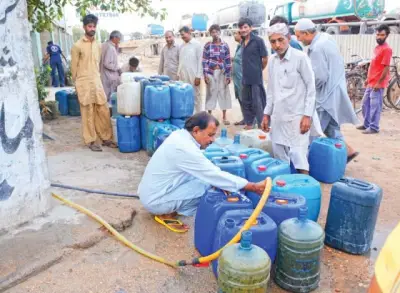
Pakistan's middle class, once considered the backbone of the economy, is now caught in a precarious situation. As inflation soars and wages remain stagnant, families that once enjoyed a comfortable lifestyle are now struggling to make ends meet. The rising cost of essential goods, including food, utilities, and education, has eroded their purchasing power, forcing many to cut back on discretionary spending and dip into savings.
Economic Pressures Mount
The middle class in Pakistan is facing unprecedented economic pressures. With inflation hitting double digits, the cost of living has skyrocketed. Meanwhile, salaries have not kept pace, leaving many households with less disposable income. A recent survey found that over 60% of middle-class families have reduced their spending on non-essential items, while 40% have taken on additional debt to cover basic expenses.
Impact on Education and Healthcare
One of the most significant impacts of the economic squeeze is on education and healthcare. Many middle-class parents are finding it increasingly difficult to afford private school fees and quality healthcare. As a result, some are forced to switch to public schools or delay medical treatments. This has long-term implications for the country's human capital development.

Housing and Transportation
Housing and transportation costs have also become major burdens. Rent prices in urban areas have surged, and owning a home is now a distant dream for many. The cost of fuel and public transport has increased, adding to the financial strain. Some families have had to relocate to cheaper neighborhoods or give up their cars entirely.
Government Policies and Future Outlook
Government policies have done little to alleviate the plight of the middle class. Tax reforms have not provided significant relief, and subsidies are often targeted at the poorest segments of society. Economic experts suggest that without targeted interventions, such as wage indexation and price controls, the middle class will continue to suffer. The future outlook remains bleak unless structural reforms are implemented to stabilize the economy and create sustainable growth.
In conclusion, Pakistan's middle class is caught in the middle of an economic crisis. Their struggles reflect broader issues in the country's economy, and addressing these challenges is crucial for the nation's stability and prosperity.