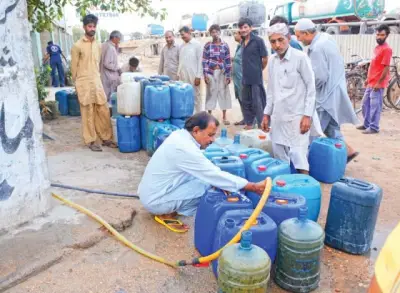
The High Price of Everything Explained: A Comprehensive Economic Analysis
In recent times, consumers worldwide have been grappling with the high price of everything, from groceries to housing. This phenomenon is not isolated but driven by a complex interplay of economic factors that have converged to create a challenging financial landscape. Understanding these elements is crucial for navigating the current economic environment.
Key Drivers of Rising Prices
The surge in prices can be attributed to several primary factors. Inflation remains a central culprit, eroding purchasing power and increasing the cost of goods and services. This is often exacerbated by monetary policies that influence interest rates and money supply, impacting overall economic stability.
Additionally, supply chain disruptions have played a significant role. Issues such as:

- Logistical bottlenecks in global trade
- Shortages of raw materials and components
- Labor market constraints affecting production
These disruptions have led to reduced availability of products, driving up prices due to increased demand and limited supply.
Impact on Different Sectors
The high price of everything affects various sectors differently. In the energy sector, fluctuations in oil and gas prices directly influence transportation and manufacturing costs. For the real estate market, rising interest rates and material costs contribute to higher property prices and rents.
Consumer goods have also seen significant price hikes. Factors include:
- Increased production costs due to inflation
- Higher import tariffs and trade barriers
- Shifts in consumer demand patterns post-pandemic
This multifaceted impact underscores the interconnected nature of global economies.
Long-Term Implications and Solutions
Looking ahead, the high price of everything poses long-term challenges for economic growth and stability. Policymakers are exploring solutions such as:
- Implementing targeted fiscal measures to curb inflation
- Enhancing supply chain resilience through diversification
- Promoting sustainable practices to reduce dependency on volatile resources
Public awareness and adaptive strategies are essential for mitigating these effects and fostering a more stable economic future.