Price Control Magistrates Powerless as Inflation Soars Ahead of Eid in Rawalpindi
As the final ten days of Ramazan unfold and Eidul Fitr looms just five days away, the district of Rawalpindi faces a severe inflation crisis, with its 60 appointed price control magistrates appearing utterly powerless to enforce regulations. This failure comes amid a sharp economic squeeze that is heavily impacting consumers during the holy month.
Fuel Price Hikes Trigger Second Wave of Inflation
The situation has been exacerbated by recent increases in petrol, diesel, and kerosene prices, which have directly led to a significant rise in goods transportation costs. This development has effectively triggered what experts are calling a second wave of inflation, compounding existing economic pressures.
For instance, the freight cost for transporting containers loaded with essential goods from Karachi to key cities like Rawalpindi and Peshawar has skyrocketed. Previously set at Rs360,000, it has now surged to an alarming Rs635,000, representing a massive increase that is inevitably passed on to end consumers.

Staggering Price Surges in Essential Food Items
In the open market, the impact is starkly visible across a wide range of daily necessities. Consumers are grappling with exorbitant prices that strain household budgets during Ramazan:
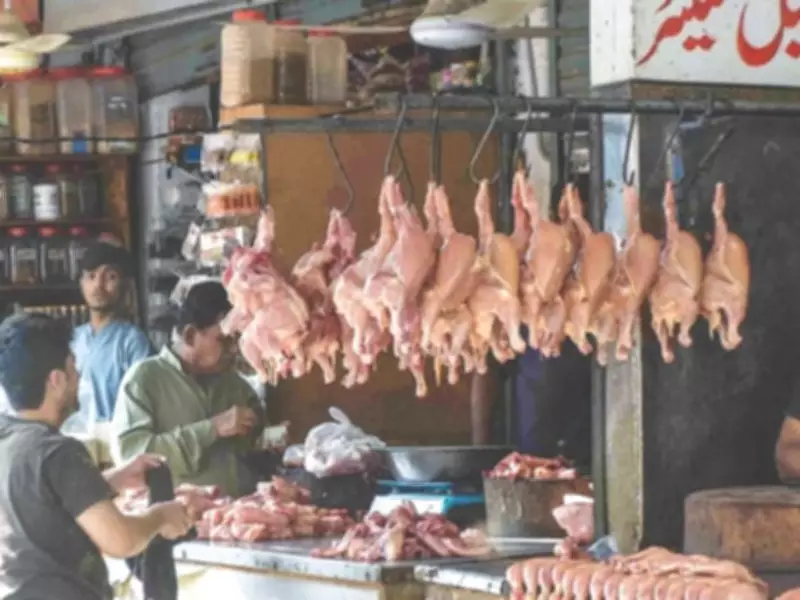
- Chicken meat is being sold at Rs550 per kilogramme
- Eggs are priced at Rs230 per dozen
- Mutton costs Rs2,500 per kilogramme
- Beef is available at Rs1,400 per kilogramme
- Milk is retailing at Rs220 per litre
- Yogurt is selling for Rs240 per kilogramme
Additionally, staple food items have seen similar hikes:
- White chickpeas are priced at Rs425 per kilogramme
- Gram lentils cost Rs380 per kilogramme
- Red beans are available at Rs550 per kilogramme
- Gram flour is retailing at Rs360 per kilogramme
Rising Costs of Cooking Essentials and Daily Meals
The inflation wave extends to cooking essentials and common meal items, further burdening families. Cooking oil and ghee are now selling at Rs510 per kilogramme, a critical increase for household cooking needs.
Basic food items have also become more expensive:
- Nan bread costs Rs35 per piece
- Paratha is priced at Rs60 each
- A simple cup of tea now costs Rs100
This widespread price surge highlights the ineffectiveness of current regulatory measures and raises serious concerns about market control mechanisms as Eid approaches. With magistrates unable to curb the trend, consumers are left to navigate these challenging economic conditions on their own.