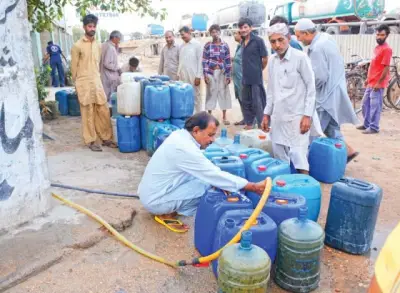
The government of Pakistan has announced a sharp increase in the prices of petrol and diesel, setting them at Rs415 per litre. This decision, effective from May 9, 2026, has sparked widespread concern among citizens and industries alike. The new prices mark a substantial rise from previous rates, reflecting the ongoing economic challenges faced by the country.
Reasons Behind the Price Hike
Officials from the Ministry of Finance cited two primary reasons for the increase: a surge in global crude oil prices and the devaluation of the Pakistani rupee against the US dollar. International oil markets have witnessed volatility due to geopolitical tensions and supply constraints, pushing up costs for import-dependent nations like Pakistan. Additionally, the rupee's depreciation has made imports more expensive, further straining the national exchequer.
Impact on Consumers
The price hike is expected to have a cascading effect on the economy. Transportation costs will rise, leading to higher prices for goods and services. Common citizens, already grappling with inflation, will face additional financial burden. Industry experts warn that the increase could slow down economic recovery and exacerbate cost-of-living pressures.

Government's Response
The government has defended the move as necessary to meet fiscal targets and secure international loan conditions. It has assured that measures are being taken to cushion the impact on lower-income groups, including expanded subsidy programs and public transport initiatives. However, opposition parties have criticized the decision, calling it a failure of economic management.
Historical Context
Pakistan has seen frequent fuel price adjustments in recent years, often tied to global market trends and domestic economic policies. This latest hike is among the steepest, reflecting the severity of the current crisis. Analysts predict that if global prices remain high, further increases may be unavoidable.
As the nation adjusts to this new reality, citizens are bracing for higher living costs, while businesses explore alternative energy sources and efficiency measures to mitigate the impact.