Public Transport Fares Surge Following Fuel Price Hike
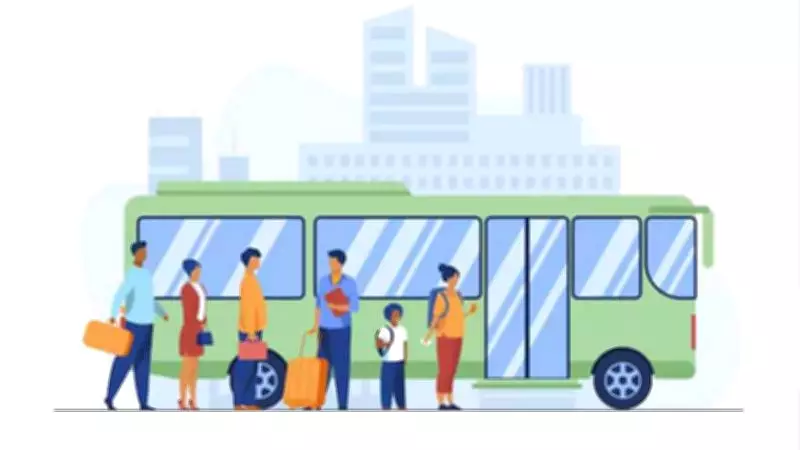
A sharp increase in fuel prices has triggered a significant rise in public transport fares across Pakistan, placing immense financial pressure on daily commuters. This development has sparked widespread concern among citizens who rely on public transportation for their daily commutes to work, school, and other essential activities.
Immediate Impact on Commuters
The fare surge comes as a direct response to the recent fuel price hike, which has compelled transport operators to adjust their rates to cover rising operational costs. Commuters are now facing higher expenses for bus, minibus, and rickshaw rides, adding to the already burdensome cost of living. Many individuals have expressed frustration over the sudden increase, noting that it strains their household budgets and reduces disposable income for other necessities.
Economic Factors Driving the Increase
The fuel price hike is attributed to global market fluctuations and domestic economic policies, which have led to increased costs for petroleum products. Transport operators argue that the fare adjustment is necessary to maintain service viability, as fuel constitutes a major portion of their operational expenses. However, this rationale offers little solace to commuters grappling with the immediate financial impact.

Regional Variations and Public Response
Fare increases have been reported in various regions, with urban areas like Karachi, Lahore, and Islamabad experiencing notable hikes. Public response has been mixed, with some commuters calling for government intervention to regulate fares, while others emphasize the need for improved public transport infrastructure to mitigate long-term costs. The situation highlights the broader challenges in Pakistan's transportation sector, including issues of affordability and accessibility.
Future Outlook and Potential Solutions
Looking ahead, experts suggest that without measures to stabilize fuel prices or subsidize public transport, commuters may continue to face financial strain. Potential solutions include government subsidies for transport operators, investment in alternative energy vehicles, or fare regulation policies to protect consumers. For now, the fare surge remains a pressing issue, underscoring the interconnectedness of economic policies and daily life for millions of Pakistanis.