US Drought Reaches Record Spring Levels, Sparking Wildfire and Water Crises
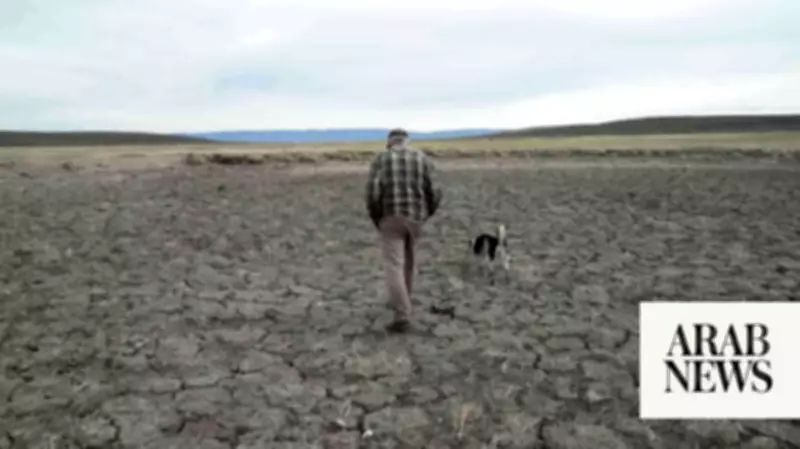
Drought conditions across the contiguous United States have soared to record levels for this time of year, according to the latest weather data. Meteorologists are sounding alarms over the severe implications for the upcoming wildfire season, water availability in western regions, and potential spikes in food prices nationwide.
Unprecedented Drought Coverage and Historical Context
The US Drought Monitor reports that more than 61 percent of the Lower 48 states are currently experiencing moderate to exceptional drought conditions. This includes a staggering 97 percent of the Southeast and two-thirds of the West. These figures represent the highest drought levels recorded for this period since the monitoring system began in 2000.
Brian Fuchs, a climatologist with the National Drought Mitigation Center, emphasized the severity of the situation. "Right now 61 percent of the country is in drought and that's steadily been going up for the calendar year," Fuchs stated. "We just haven't seen too many springs where this amount of the country has been in this kind of shape."

Climate Change Extends Wildfire Burning Times
A recent study has revealed that North American wildfires are now burning for longer periods due to human-caused climate change. Flames are persisting later into the night and igniting earlier in the morning as hotter and drier conditions extend the traditional fire season.
UCLA hydroclimatologist Park Williams explained the exponential relationship between heat, drought, and fire activity. "Fire tends to respond to heat and drought in an exponential manner," Williams noted. "For each degree of warming, you get a bigger bang in terms of fire than you got from the previous degree of warming."
Critical Water Shortages and Atmospheric Measurements
The National Oceanic and Atmospheric Administration's Palmer Drought Severity Index recorded its highest March level since records began in 1895. Last month ranked as the third-driest month ever recorded, trailing only the infamous Dust Bowl months of July and August 1934.
Western regions face particularly dire water challenges due to exceptionally low snow levels during the first months of the year. Snowpack typically serves as the primary water storage mechanism for summer months, but record heat has dramatically reduced this crucial resource.
Scientists are monitoring a technical but vital measurement called vapor pressure deficit, which indicates how much moisture hot, dry air extracts from the land. In the West, this measurement currently stands 77 percent above normal and more than 25 percent higher than previous records for January through March.
Dual Drought Systems and Regional Impacts
Two distinct drought systems are affecting different parts of the country simultaneously. While the West battles its water crisis, a separate drought connected to jet stream patterns has enveloped the South from Texas to the East Coast.
NOAA calculations reveal the magnitude of rainfall needed to alleviate these conditions. Eastern Texas would require 19 inches of rain in a single month to break its drought, while most Southeast regions need more than a foot of precipitation to address their water deficits.
Climatologist Brian Fuchs explained this unusual coincidence: "A different drought — connected to the jet stream keeping storms further north — has put the South from Texas all the way to the East Coast into a separate drought that just happens to coincide with what's going on in the West."
Economic and Environmental Consequences
The widespread drought conditions threaten multiple sectors of the American economy and environment. Agricultural production faces significant challenges that could drive up food prices, while water management systems in western states confront unprecedented strain.
What makes the current situation particularly concerning to meteorologists is the timing. Drought conditions typically peak during summer months, but the current spring levels suggest an extended and intensified dry season ahead with potentially devastating consequences for wildfire management and water resource allocation.