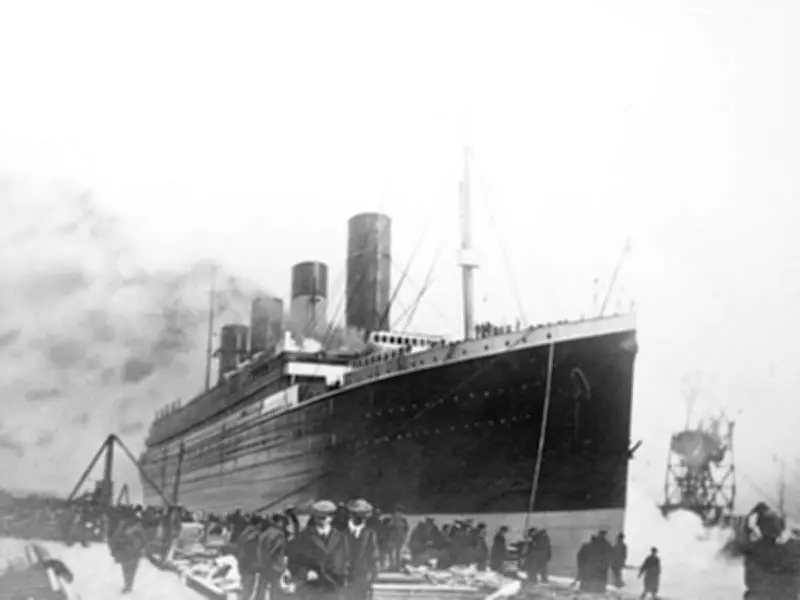
The RMS Titanic, once heralded as an unsinkable marvel of engineering, met its tragic end on April 15, 1912, during its maiden voyage across the North Atlantic. The ship struck an iceberg in the frigid waters, leading to its rapid sinking within a few hours. This catastrophic event claimed over 1,500 lives, shocking the world and exposing the vulnerability of human innovation.
The Voyage and the Disaster
The Titanic set sail from Southampton, England, on April 10, 1912, bound for New York City. It was the largest and most luxurious ship of its time, equipped with advanced safety features that led many to believe it was unsinkable. However, on the night of April 14, the ship collided with an iceberg, causing a series of fatal breaches in its hull. The crew's attempts to evacuate passengers were hampered by a shortage of lifeboats, resulting in a massive loss of life.
Aftermath and Discovery
The sinking of the Titanic prompted widespread reforms in maritime safety, including the establishment of the International Convention for the Safety of Life at Sea (SOLAS). For decades, the wreck lay undiscovered on the ocean floor until it was finally located in 1985 by a Franco-American expedition led by Robert Ballard. The wreck site, resting at a depth of about 12,500 feet, now serves as a poignant underwater memorial to the lives lost on that ill-fated night.

Legacy and Lessons
The Titanic disaster remains a powerful symbol of human hubris colliding with the unforgiving forces of nature. It underscores the importance of humility and preparedness in the face of technological advancement. The haunting echoes of the tragedy continue to resonate, reminding us of the fragility of life and the enduring impact of one of history's most infamous maritime catastrophes.