Century-Old Railway Track Removed for Rawalpindi Mega Project
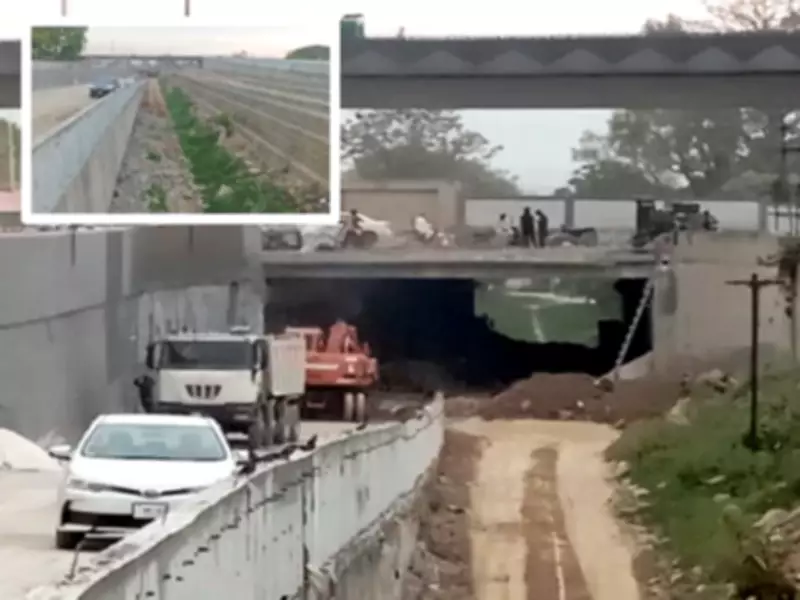
A significant piece of Rawalpindi's colonial history has been erased with the complete removal of a 170-year-old railway track located near the District Courts. This historic track, originally laid by the British in 1856, fell within the alignment of the ongoing District Kachehri overhead bridge and underpass mega project, necessitating its dismantling.
From Railway Corridor to Service Road
All rails of the track have been systematically uprooted, and the route is now being converted into a dedicated service road for the overhead bridge and underpass. The railway line once connected Rawalpindi Railway Station to Askari workshops and the Attock Oil Company via Kutchery, running adjacent to the old District Courts building.
Freight operations on this line had already been discontinued years ago, with only occasional movement of engines or a few wagons, typically occurring after sunset. The track had remained largely unused for decades, becoming a quiet relic of the past.

Engineering Marvel and Demolition Challenge
Despite its age, the track demonstrated remarkable durability due to its high-quality iron construction. It took demolition crews a full week to completely dismantle the structure, highlighting its enduring strength. Even the remnants of the track are now being cleared from the site.
The transformation has been comprehensive: what was once a dedicated and secure railway corridor, closed to general traffic and lying below road level, has now been repurposed as a functional service road for modern infrastructure.
Memories of a Bygone Era
Muhammad Ashraf, the most senior clerk at the District Courts who has served with a senior lawyer for 45 years, shared nostalgic memories of the active railway line. "I started working here in 1979 as a young clerk," Ashraf recalled. "At that time, the track was fully operational, with at least one freight train passing daily."
Ashraf remembered a large Askari dairy farm located nearby, where lawyers and court clerks would purchase pure and affordable milk and butter after work. The freight trains served this dairy farm along with the Askari workshops and Attock Oil Company—all enterprises that have since ceased operations.
Ecological and Heritage Loss
The demolition has also impacted local wildlife. Dozens of bird nests built in holes along the adjacent wall have been lost to the project, representing an unintended ecological consequence of the infrastructure development.
With the complete removal of this railway track, a tangible piece of British-era heritage has been permanently erased from Rawalpindi's landscape. The service road now stands where trains once transported goods between important local industries, marking the end of an era that spanned more than a century and a half.