Lahore's Major Heritage Restoration Project Stalled by Coordination Failures
A massive Rs60 billion initiative aimed at restoring the historic Walled City and Circular Garden of Lahore to their original glory, originally directed by former prime minister Nawaz Sharif, is experiencing significant setbacks due to poor coordination among key departments. Sources indicate that multiple components of the project have been halted by court orders, while others are delayed because the Walled City Authority was not adequately prepared. Traders and inner-city residents remain in the dark about the project's timeline, adding to the frustration.
Funding and Initial Efforts
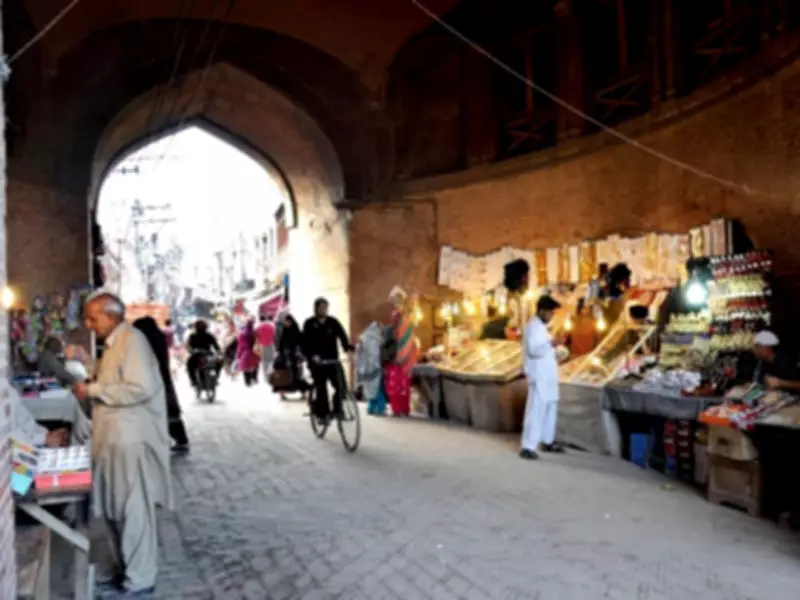
The Punjab government had approved approximately Rs65 billion for various aspects of the restoration, including the reconstruction of the Walled City and Circular Garden, relocation of shops and structures, construction of underground parking plazas, and restoration of historical gates. Funds were released in phases to support these ambitious goals. The communications and works department began work on parking plazas at Taxali, Sheranwala, and Mochi gates. However, the Parks and Horticulture Authority allegedly failed to complete essential preliminary tasks, such as tree relocation, before construction started. This oversight led the Lahore High Court to issue stay orders against work at Taxali and Sheranwala gates. Currently, only the underground plaza at Mochi Gate is under construction, highlighting the project's fragmented progress.
Tendering and Contractual Challenges
The Walled City Authority issued tenders for critical upgrades, including sewerage, drainage, water supply, road rehabilitation, electrical work, and restoration of historic buildings. Tenders worth over Rs900 million were floated for areas near Mochi and Akbari gates, and contracts exceeding Rs300 million were invited in December last year for zones around Kashmiri and Sheranwala gates. Although contracts were awarded, the actual work has yet to begin, causing further delays. Under the "Restoration of Mall Road and the Historic Zone of Lahore" initiative, substantial funds were allocated for rehabilitating and lighting areas like New and Old Anarkali, Jain Mandir, Pan Wali Gali, and Buxi Market. However, some tenders were cancelled after contractors raised objections over procedural issues and have since been reissued, exacerbating the timeline setbacks.

Heritage and Infrastructure Projects on Hold
Six heritage trail projects planned at Bhati, Mori, Lohari, Mochi, Yakki, and Masti gates, designed to preserve historic streets and cultural heritage, have also not commenced. Meanwhile, the inner city continues to grapple with severe sewerage problems and broken roads, which disrupt business activities and daily life. A separate project to construct a high boundary wall around the Circular Garden has been scaled back from an initial four kilometres to about 1.5 kilometres after a fresh survey revealed that several buildings in the originally proposed area cannot be relocated, adding another layer of complexity.
Progress on Specific Components
Among other projects, the Neela Gumbad underground parking plaza, estimated at Rs2.5 billion, is 27 per cent complete, while the Nasir Bagh plaza, costing Rs1.7 billion, has seen only 17% progress. Tenders have been issued for a pedestrian zone around Government College, with an estimated cost of Rs780 million, but work is yet to begin. A local resident, Muhammad Naseer, expressed concern that continued delays will not only escalate costs but also erode public trust in such large-scale initiatives.
Official Statement on Project Status
Commenting on the matter, Walled City of Lahore Authority Conservation Director Azeem Dad noted that out of 25 projects under the programme covering the inner city and Mall Road, tenders for 17 have been issued. This indicates some forward movement, but the overall lack of coordination and legal hurdles continue to impede progress, leaving the future of this vital restoration effort uncertain.