Trump's Ambitious Redesign of Washington DC Faces Legal and Preservation Challenges
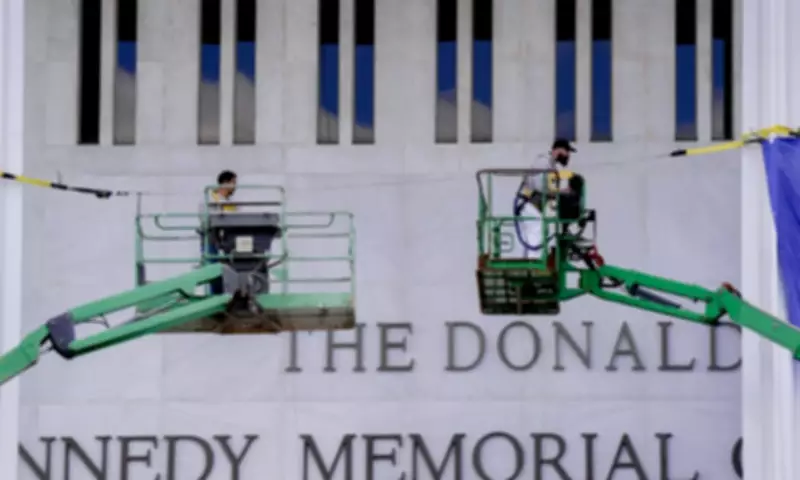
While President Donald Trump has been asserting American influence on the global stage, he is simultaneously pursuing a dramatic transformation of the nation's capital. His urban interventions in Washington DC's built environment have generated significant controversy and prompted multiple lawsuits. The changes, already in progress, include the demolition of the White House East Wing to construct a ballroom, a comprehensive makeover of the White House Rose Garden, and a planned two-year closure of the John F. Kennedy Center for the Performing Arts for extensive renovations.
Upcoming Projects and Preservationist Concerns
Further alterations are on the horizon, such as a proposed 250-foot arch near Arlington National Cemetery, plans to repaint the exterior of the Eisenhower Executive Office Building, and the development of a sculpture park adjacent to the National Mall. Historically, presidents have contributed to or modified parts of Washington DC's historic core, but Trump's approach has notably bypassed established design review processes, alarming many preservationists.
In a recent discussion on the podcast Today, Explained, co-host Sean Rameswaram explored these developments with Philip Kennicott, The Washington Post's longtime architecture critic. Kennicott authored a column highlighting the threat Trump poses to DC's architectural integrity. Below is an edited excerpt from their conversation, focusing on the broader implications of these changes.

Historical Context and Architectural Significance
Kennicott argues that Trump represents the most significant threat to the city's architecture since the British burned it during the War of 1812. He emphasizes that while this may sound hyperbolic, Trump's influence is profound. Unlike the reconstruction after the War of 1812, which rebuilt the White House and Capitol, Trump's initiatives involve tearing down structures like the East Wing and introducing major additions such as the proposed triumphal arch at Arlington Cemetery and a Garden of National Heroes along the Potomac River.
More critically, Trump aims to alter how Washington manages change, favoring personal fiat over the longstanding design review process that has been essential to preserving the city's character. Kennicott notes that Washington DC is unique as a planned city, designed by Pierre L'Enfant with sweeping avenues connecting civic nodes, reflecting national ambition through its vistas. The city has maintained a low skyline by avoiding skyscrapers, but Trump's 250-foot arch would disrupt this, becoming one of the tallest structures in DC.
Public Reception and Future Implications
The conversation also touched on whether the public might eventually embrace these changes, similar to how landmarks like the Statue of Liberty or Eiffel Tower gained acceptance over time. Kennicott expresses concern that Americans have become less attuned to the connection between political values and aesthetics, potentially allowing imperial or monarchical symbols to take root. He warns that Trump's actions could set a precedent for future presidents to impose their will on the city's monuments, creating an aesthetic seesaw for the capital.
Kennicott highlights that Trump has stacked design review committees with unqualified individuals, such as his 26-year-old personal assistant, leading to rubber-stamp approvals. This undermines the professional oversight that has historically safeguarded Washington's architectural legacy. Drawing a parallel to ancient Rome, where emperors retrofitted symbolic landscapes to reflect their power, Kennicott cautions that such practices could erode the historical gravitas and lastingness that define Washington DC.
In summary, Trump's redesign of Washington DC is not merely about physical changes but also about challenging the processes that protect the city's architectural heritage, sparking legal battles and raising questions about the future of America's capital.