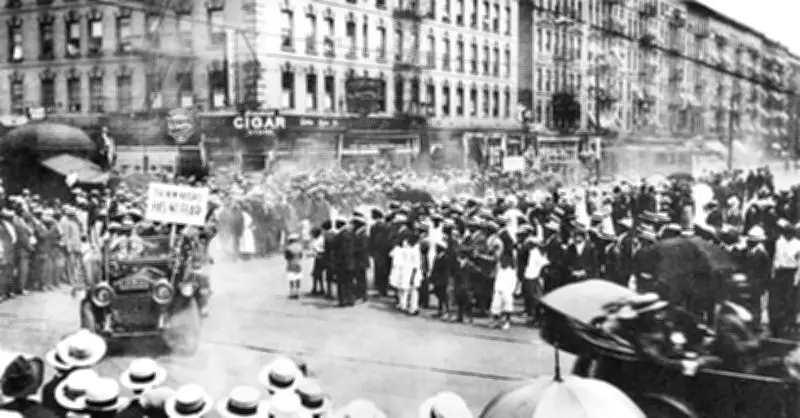
The Harlem Renaissance, a vibrant cultural and intellectual movement that flourished in the 1920s in Harlem, New York City, remains a defining moment in American history. This era celebrated African American heritage and sparked an explosion of creativity in literature, music, art, and social commentary. Visionaries such as Langston Hughes, Zora Neale Hurston, and Duke Ellington created an enduring legacy, offering powerful narratives that challenged racial stereotypes and explored the Black experience in America.
The Birth of a Cultural Movement
The movement emerged from the Great Migration, when millions of African Americans moved from the rural South to urban centers like Harlem, seeking better opportunities and freedom from segregation. This convergence of talent and ambition created a fertile ground for artistic and intellectual expression. Writers, musicians, artists, and thinkers gathered to redefine what it meant to be Black in America, producing works that resonated with pride and resilience.
Key Figures and Their Contributions
- Langston Hughes: A poet and novelist whose work captured the rhythms of Black life, using jazz and blues influences to create a distinct voice. His poems like "The Negro Speaks of Rivers" became anthems of the movement.
- Zora Neale Hurston: An anthropologist and author who celebrated Black folklore and dialect in novels such as Their Eyes Were Watching God, preserving the richness of Southern Black culture.
- Duke Ellington: A composer and bandleader who elevated jazz to an art form, blending sophistication with improvisation at venues like the Cotton Club, influencing generations of musicians.
Impact on Literature and Music
The Harlem Renaissance produced a wealth of literary works that explored themes of identity, racism, and empowerment. Writers like Countee Cullen and Claude McKay used poetry to express both anger and hope. In music, jazz and blues became the soundtrack of the era, with artists like Louis Armstrong and Bessie Smith breaking barriers and gaining widespread acclaim. The movement also fostered the rise of the "New Negro," a term popularized by Alain Locke, which emphasized self-respect and political activism.

Art and Social Commentary
Visual artists like Aaron Douglas and Jacob Lawrence depicted the Black experience through bold, modernist styles, often incorporating African motifs. Their works challenged the prevailing stereotypes and celebrated Black history and culture. The movement also gave rise to intellectual forums and publications, such as The Crisis and Opportunity, which provided platforms for debate and advocacy.
Enduring Legacy
The Harlem Renaissance had a profound impact on American culture, breaking down racial barriers and paving the way for future civil rights movements. Its emphasis on Black pride and cultural expression influenced later movements like the Black Arts Movement of the 1960s and 1970s. Today, the works of Hughes, Hurston, and Ellington continue to be studied and celebrated, serving as a testament to the resilience and creativity of African Americans. The movement's legacy is evident in modern literature, music, and art, reminding us of the power of culture to inspire change and foster understanding.