Globalization and the Erosion of Musical Diversity
The article 'The Unmaking of a Musical World' delves into the profound changes affecting traditional music systems worldwide. It argues that the forces of globalization, technological advancement, and cultural homogenization are systematically dismantling the rich tapestry of musical traditions that have existed for centuries. According to the piece, these changes are not merely about the loss of specific songs or instruments but represent a fundamental shift in how music is created, shared, and valued.
The Impact of Technology on Traditional Music
Technology, particularly digital recording and distribution, has enabled unprecedented access to music from around the globe. However, this accessibility comes at a cost. The article notes that local music practices are being overshadowed by dominant global genres like pop and hip-hop. A statistic cited indicates that over 70% of music consumed globally now comes from just a handful of countries, primarily the United States and the United Kingdom. This concentration of musical output threatens the survival of smaller, traditional forms.
Case Studies of Musical Erasure
The article provides several case studies to illustrate this trend. In Indonesia, the gamelan tradition, once central to community life, is now struggling to attract young practitioners. Similarly, in West Africa, the griot tradition, which preserves history through song, faces decline as younger generations migrate to cities and adopt modern lifestyles. One musician quoted in the piece laments, 'Our children no longer learn the songs of their ancestors; they only know what they hear on their phones.'

Economic Pressures and Cultural Shifts
Economic factors also play a significant role. Traditional musicians often struggle to make a living, while commercial music industries offer more financial stability. The article highlights that in many regions, government funding for cultural preservation has been cut, leaving communities to fend for themselves. This economic pressure accelerates the shift away from traditional music, as younger people seek more lucrative opportunities in mainstream entertainment.
The Role of Cultural Institutions
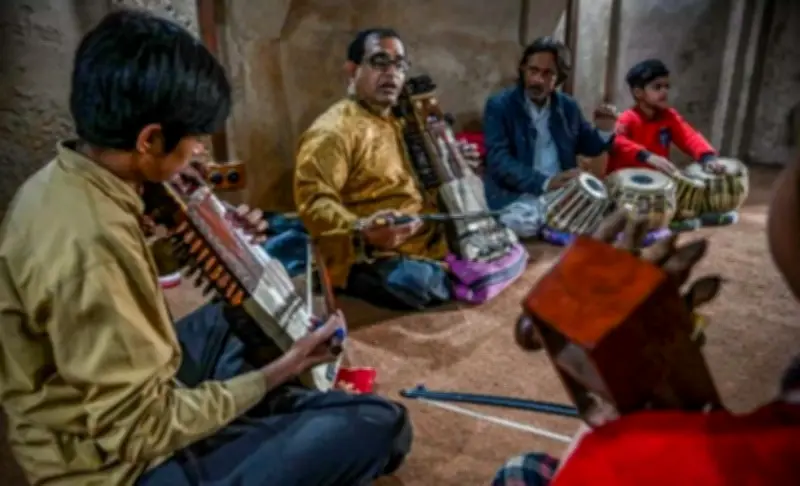
Cultural institutions, such as museums and universities, have attempted to document and preserve traditional music. However, the article argues that these efforts often fail to capture the living, dynamic nature of these traditions. Archival recordings and written notations cannot replace the communal experience of music-making. The author suggests that preservation must involve active participation and transmission within communities, not just documentation.
Hope for the Future
Despite the bleak picture, the article points to some hopeful developments. There is a growing interest in 'world music' and fusion projects that blend traditional elements with contemporary styles. Some artists are using technology to revive old sounds, creating new audiences for ancient traditions. The piece concludes that while the musical world is indeed being unmade, there is still potential for renewal if communities and institutions work together to value and sustain cultural diversity.