Burns Road Karachi: The Culinary Heartbeat of Ramadan Iftar Traditions
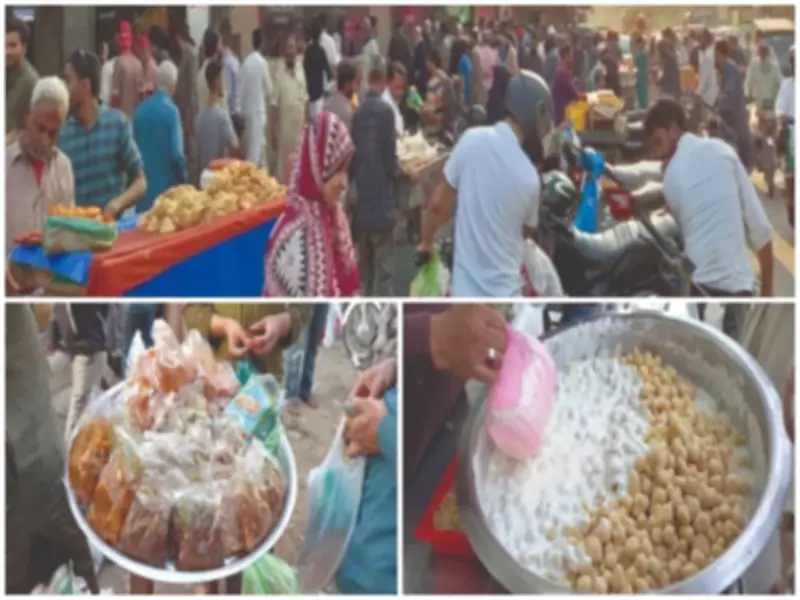
As the sun begins to set during the holy month of Ramadan, a palpable sense of anticipation and a rich tapestry of aromas envelop the bustling streets of Karachi. Office workers hurry out of their workplaces, families clutch tightly to their shopping bags, and groups of energetic young people all converge toward a single, iconic destination: Burns Road. Far more than just a simple food street, Burns Road stands as a living, breathing chapter in the extensive culinary and cultural history of Pakistan's largest metropolis. At iftar, this historic lane undergoes a remarkable transformation, becoming a vast communal dining table where deep-rooted tradition, explosive flavor, and festive celebration seamlessly converge.
The Enduring Allure of Chana Chaat
No iftar experience on Burns Road is considered complete without indulging in a plate of chana chaat. This beloved street food consists of boiled chickpeas meticulously mixed with finely chopped onions, ripe tomatoes, fiery green chillies, fresh coriander, tangy tamarind sauce, and the essential sprinkle of chaat masala. It is a dish celebrated for its simplicity yet remarkable endurance, having been sold on the streets of the Indian subcontinent for centuries. Food historians often trace the origins of chaat to northern India, where its tangy and spicy profile was originally crafted to stimulate appetites during the oppressive summer heat. On Burns Road, patient customers form orderly queues, eagerly awaiting their turn for plates of chana chaat or its fruity counterpart, generously topped with fresh, cooling cream.
Mughal-Era Delights and Iconic Establishments
Another perennial favorite is dahi baray, featuring soft lentil dumplings soaked in sweetened yoghurt and artfully sprinkled with red chilli powder and roasted cumin seeds. Patrons often engage in friendly debates, with some insisting on the authentic Delhi-style version, while others staunchly swear by the offerings at the legendary Waheed Kabab House. The culinary pairing of yoghurt and lentils boasts a regal history, dating back to the opulent Mughal era when it graced royal dining tables. In modern-day Karachi, its cooling and soothing taste provides a much-welcomed relief after the long hours of a day's fast.

A Symphony of Sizzling Street Foods
The evening air along Burns Road is perpetually perfumed with the irresistible scents of freshly fried jalebi, crispy pakoras, and savory samosas. Young crowds gather animatedly around vendors serving pani puri, those crisp, hollow shells filled with spiced potatoes and chickpeas, then dipped into sweet and tangy flavored water. Such vibrant street foods have long been an integral component of the urban cultural fabric across the subcontinent.
Substantial Feasts and Karachi's Signature Flavors
For those seeking a more substantial meal, the biryani of Burns Road rarely disappoints. Enormous cauldrons simmer gently, layering fragrant rice with tender meat and an aromatic blend of spices. During Ramadan, countless residents of Karachi turn to biryani, whether for iftar, sehri, or a satisfying late-night meal. The city's distinctive style, often featuring hearty potatoes and robust seasoning, has firmly cemented itself as part of Karachi's culinary identity. Simultaneously, the aroma of fried fish, expertly coated in spices and served with complementary chutney, also fills the street as sunset approaches.
Historical Roots and Cultural Fusion
Nearby, the "Arabian paratha"—a thick, crisp flatbread typically paired with minced meat or curry—vividly reflects the Middle Eastern influences that have profoundly shaped Karachi's heritage as a historic port city. Burns Road itself dates back to the British colonial era, originally named after the renowned Scottish poet Robert Burns. Over the decades, it evolved into a central hub for communities of diverse ethnic and cultural backgrounds, each introducing and contributing their own unique flavors to its culinary landscape.

A Symbol of Unity and Shared Heritage
During the sacred month of Ramadan, this beautiful diversity coalesces onto a single, shared table—from the humble chana chaat to the regal biryani, from the classic dahi baray to the sweet jalebi. At iftar time, Burns Road transcends its role as merely a place to eat. It becomes a powerful symbol of shared joy, enduring tradition, and communal togetherness, where every plate served carries not only immense flavor but also layers of history and the very heartbeat of Karachi itself.