Upper Dir District Confronts Intensifying Climate Disasters
The remote district of Upper Dir in Khyber Pakhtunkhwa province is currently experiencing a severe climate crisis, marked by a series of devastating natural events that have disrupted daily life and infrastructure. Local communities are grappling with the immediate impacts, including flash floods and landslides, which have compounded existing vulnerabilities in this mountainous region.
Flash Floods and Landslides Cause Widespread Damage
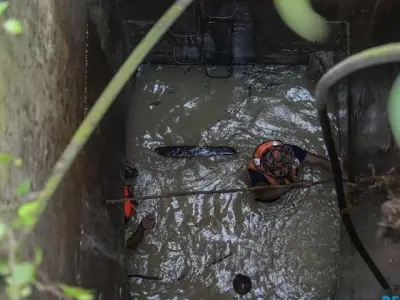
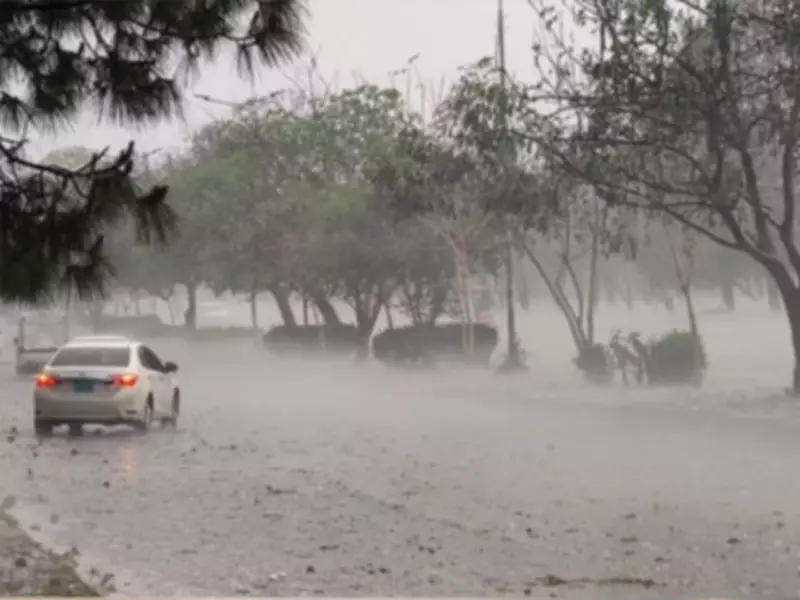
Recent heavy rainfall has triggered flash floods in several areas of Upper Dir, leading to significant destruction of homes, roads, and agricultural land. The floods have swept away vital infrastructure, isolating many villages and cutting off access to essential services. Concurrently, landslides have blocked key transportation routes, hampering relief efforts and leaving residents stranded without adequate supplies or medical assistance.
Authorities report that the frequency and intensity of these events have increased in recent years, attributing this trend to broader climate change patterns affecting Pakistan. The district's topography, characterized by steep slopes and fragile ecosystems, makes it particularly susceptible to such disasters, exacerbating the challenges faced by local populations.

Humanitarian and Economic Impacts Deepen
The climate fury in Upper Dir has resulted in substantial humanitarian consequences, with numerous families displaced from their homes and forced to seek shelter in temporary camps. Agricultural activities, a primary livelihood source for many in the district, have been severely disrupted, leading to crop losses and threatening food security. Livestock, crucial for local economies, have also been affected, with reports of animals perishing in the floods.
Economic losses are mounting as businesses and markets remain inaccessible due to damaged infrastructure. The disruption of trade and commerce has further strained the region's economy, which was already grappling with limited resources and development challenges. Local officials emphasize that the long-term recovery will require sustained support and investment to rebuild resilient communities.
Response Efforts and Future Challenges
In response to the crisis, provincial and local authorities have initiated relief operations, including the distribution of food, water, and medical supplies to affected areas. Emergency teams are working to clear debris and restore connectivity, but progress has been slow due to ongoing adverse weather conditions and logistical hurdles.
Looking ahead, experts warn that without comprehensive climate adaptation strategies, Upper Dir and similar regions in Pakistan may face recurring disasters. Key recommendations include:
- Enhancing early warning systems to alert communities of impending floods and landslides.
- Investing in infrastructure improvements, such as reinforced roads and drainage systems, to mitigate damage.
- Promoting sustainable land-use practices to reduce erosion and landslide risks.
- Strengthening local capacity for disaster preparedness and response through training and resources.
The situation in Upper Dir underscores the urgent need for integrated approaches to climate resilience, combining immediate relief with long-term planning to safeguard vulnerable populations against future climate shocks.