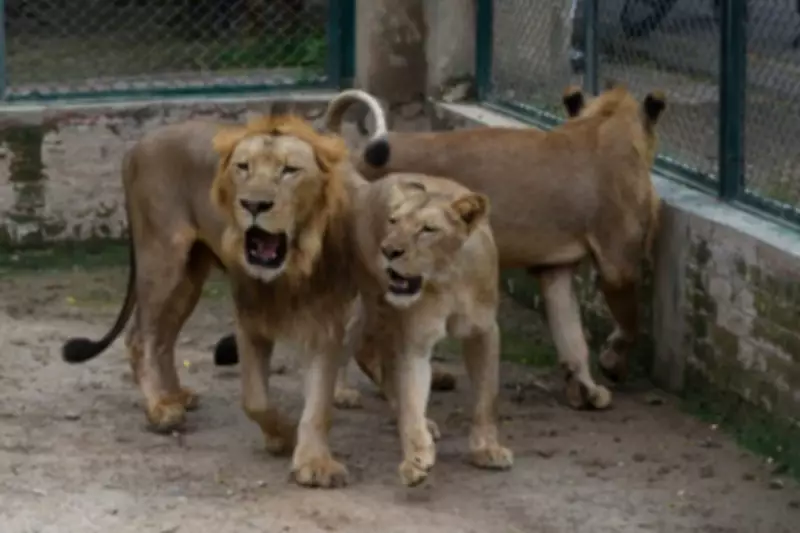
Lahore Safari Zoo Celebrates Birth of 18 Lion Cubs Amid Intensive Care Efforts
In a significant development for wildlife conservation, the Lahore Safari Zoo has announced the birth of 18 lion cubs over recent months. Zoo authorities have taken proactive measures by separating these newborns from their mothers to address critical safety and health concerns, ensuring their survival through dedicated veterinary care.
Veterinary Insights on Cub Survival and Hand-Rearing Protocols
Dr. Warda Gill, the zoo's veterinary officer, provided detailed explanations regarding the challenges faced with lion cubs. She highlighted that lionesses at the facility sometimes reject their newborns or fail to nurse them adequately, which can jeopardize the cubs' lives. Additionally, big cats are housed in group settings, increasing the risk of harm to vulnerable newborns from other adult males or females within the enclosures.
"In such high-risk scenarios, cubs are immediately separated from their mothers and transferred to a specialized nursery," Dr. Gill stated. "Here, they receive round-the-clock monitoring and are fed formula milk through meticulous hand-feeding techniques to mimic natural nurturing."

Progress Updates on Cub Development and Socialization
Dr. Gill reported that the first batch of 10 cubs has been successfully reared and subsequently moved to the Lion Safari area, where they can thrive in a more natural habitat. A second group of eight cubs remains under intensive nursery care, continuing with hand-feeding protocols to support their growth and health.
She emphasized the critical nature of the initial 24 to 72 hours post-birth for cub survival. "If a cub adapts well to hand-feeding during the first month, its chances of survival improve dramatically," she noted, adding that cubs who receive initial mother's milk tend to develop stronger immune systems, though hand-rearing remains a vital alternative when maternal care is lacking.
To foster natural behaviors, cubs of similar ages—typically two to three months old—are paired together. This strategy encourages social interaction and helps them develop skills essential for life in group settings, aligning with conservation best practices.
Additional Wildlife Births and Visitor Engagement Trends
Beyond the lion cubs, the Lahore Safari Zoo has recorded new births among other species, enhancing its biodiversity. Recent weeks have seen the arrival of 10 blackbucks, four chital deer, and four hog deer, contributing to the zoo's vibrant animal population.
These newborn animals have become a major attraction, drawing families and especially children eager to observe wildlife up close. Although visitor numbers have seen a decline during the holy month of Ramazan, zoo administration officials confirm that interest remains strong. Families continue to visit to witness big cats and the young deer in the safari-style enclosures, underscoring the zoo's role in public education and entertainment.
The Lahore Safari Zoo's efforts in hand-rearing lion cubs and managing other births highlight its commitment to animal welfare and conservation. By addressing maternal challenges and ensuring proper care, the zoo not only safeguards endangered species but also provides valuable insights into wildlife management practices that can benefit similar facilities globally.