Cholistan Desert Jeep Rally Attracts Tourists While Raising Environmental Alarms
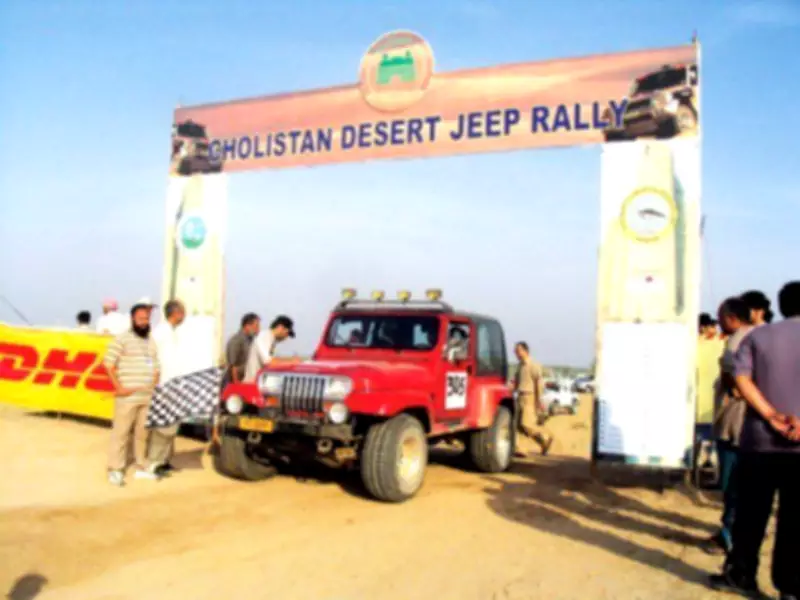
The 21st edition of the Cholistan Desert Jeep Rally, scheduled from Wednesday through February 15 in Bahawalpur, is poised to draw thousands of visitors, including international tourists, to the region. However, environmental and wildlife officials have issued stern warnings about the potential risks this high-profile event poses to the delicate desert ecosystem.
Plastic Pollution and Wildlife Threats Highlighted
Experts report that during previous rallies, a significant number of attendees have discarded plastic water bottles, food wrappers, and other non-biodegradable waste across the vast desert landscape. This littering not only contributes to severe environmental pollution but also endangers the diverse wildlife species that inhabit these arid areas.
Badar Munir, a wildlife conservator currently leading cleanup efforts from last year's rally debris, emphasized the scale of the problem. "Thousands of people camp in the desert during the event and improperly dispose of plastic bottles, wrappers, and bags," he stated. "This pollution creates direct hazards for local fauna, with several wildlife species living in zones adjacent to the rally tracks."

Disturbances from Vehicles and Noise
Beyond waste issues, the rally introduces other disruptive elements. Fast-moving vehicles, excessive engine noise, and clouds of dust generated during the competition disturb native animals and birds. Tragically, there have been instances where animals, including vulnerable young, have been killed after collisions with speeding vehicles.
To mitigate such incidents, authorities are blocking auxiliary routes connected to the main track to prevent vehicles from straying into sensitive wildlife habitats. The Cholistan desert serves as a crucial habitat for species like the chinkara deer and various migratory birds, making these protective measures essential.
Official Measures and Deployment
Sheikh Zahid Iqbal, South Punjab Additional Chief Wildlife Ranger, outlined the proactive steps taken to safeguard wildlife during the rally. Approximately 120 wildlife rangers have been deployed along the 500-kilometer rally track and surrounding areas, including Jamgarh, Maujgarh, Qila Bijnot, and Qila Derawar. Additionally, wildlife checkpoints have been established throughout Cholistan, and awareness boards installed at multiple locations to educate participants and spectators.
A spokesperson for the Tourism Development Corporation of Punjab (TDCP) assured that concerted efforts are being made to minimize environmental impact. "We ensure waste collection during and after the event, and route selection always considers wildlife protection," the spokesperson noted.
Ecological Fragility and Expert Concerns
Dr. Uzma Khan, a representative from the World Wildlife Fund (WWF), highlighted that the Cholistan region is a designated wildlife game reserve and a major habitat for migratory birds. She expressed concern over the rally's timing, which coincides with the presence of these birds, whose return migration continues until March.
"Desert ecosystems are inherently fragile, where waste decomposition occurs at an extremely slow pace," Dr. Khan explained. "Plastic remnants can persist on the ground for years, degrading soil quality. Grazing animals like deer, chinkara, and livestock often ingest plastic, mistaking it for food, which can damage their digestive systems and prove fatal."
Experts further warned that rainwater or dew collecting in discarded plastic bottles creates breeding grounds for mosquitoes and other insects, potentially facilitating disease spread. The cumulative effects of noise, high-speed vehicles, human presence, and accumulated waste disrupt natural habitats, affecting migration patterns, breeding cycles, and feeding behaviors of local wildlife.

Calls for Sustainable Management
Badar Munir stressed the urgent need for effective waste management, enhanced cleanliness protocols, and strict enforcement of environmental regulations during such large-scale events. Preventing long-term damage to the desert environment and its wildlife requires coordinated action and heightened public awareness. As the rally proceeds, balancing tourism promotion with ecological preservation remains a critical challenge for authorities and stakeholders alike.