Pakistan and Saudi Arabia Formalize Hajj 2026 Preparations
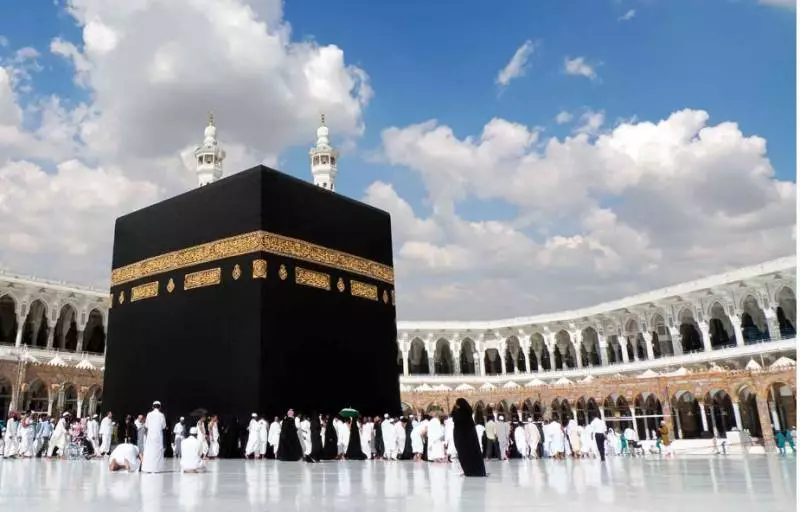
Pakistan and Saudi Arabia have taken a significant step forward in planning for the annual Islamic pilgrimage by signing a formal agreement that finalizes arrangements and facilities for Hajj 2026. The signing ceremony took place in Jeddah on Saturday, marking the official commencement of preparations for next year's pilgrimage season.
Key Officials and Agreement Details
The historic agreement was signed by Dr. Abdulfattah bin Sulaiman Mashat, Saudi Arabia's Deputy Minister for Hajj and Umrah, and Dr. Syed Ata-ur-Rehman, Pakistan's Secretary for Religious Affairs. This early agreement demonstrates both countries' commitment to ensuring a well-organized and smooth pilgrimage experience for Pakistani citizens.
During the signing ceremony, Dr. Ata-ur-Rehman expressed profound gratitude to the Saudi government for their continuous efforts in providing high-quality facilities to pilgrims. He emphasized that the collaboration between the two nations remains vital for successful pilgrimage operations and confirmed that Pakistani pilgrims would receive the same excellent standard of services as in previous years.

Major Changes in Hajj Policy 2026
The federal cabinet has approved significant modifications to the Hajj quota distribution under the new Hajj Policy 2026. The government Hajj scheme quota has been increased to 70 percent, while private tour operators will receive 30 percent of the total allocation.
This policy shift comes in response to previous management challenges. In 2025, Pakistan's total Hajj quota was 179,210 pilgrims, equally divided between government and private schemes. However, due to organizational issues, more than 67,000 Pakistanis were unable to perform Hajj that year.
The new policy aims to address these concerns by strengthening oversight mechanisms, enhancing transparency in operations, and improving accessibility for those opting for the government scheme. The Ministry of Religious Affairs has reaffirmed its commitment to ensuring timely and efficient arrangements under both government and private Hajj schemes.
Economic Context and Currency Stability
Meanwhile, the Saudi Riyal (SAR) has maintained stability in Pakistan's open market. On November 8, the currency was trading at Rs74.88, with the selling rate steady at Rs75.45, according to currency dealers. The Riyal's consistent performance, supported by steady remittance inflows from Pakistani workers in Saudi Arabia, continues to play a crucial role in Pakistan's economic stability.
The early signing of the Hajj agreement and the policy reforms reflect Pakistan's proactive approach to addressing previous shortcomings while maintaining strong diplomatic and economic ties with Saudi Arabia.